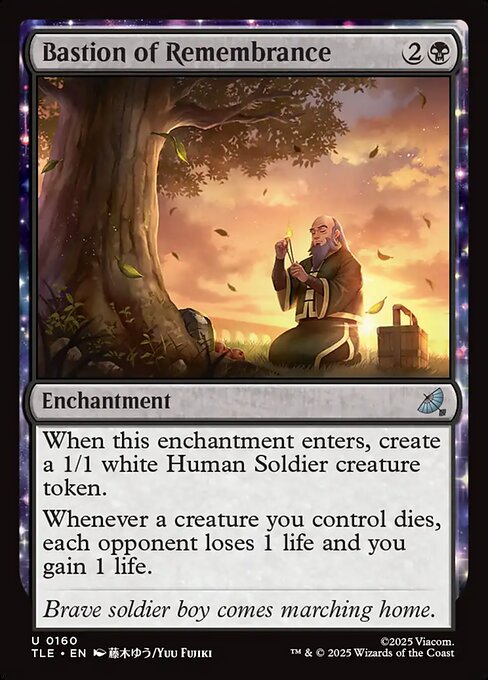
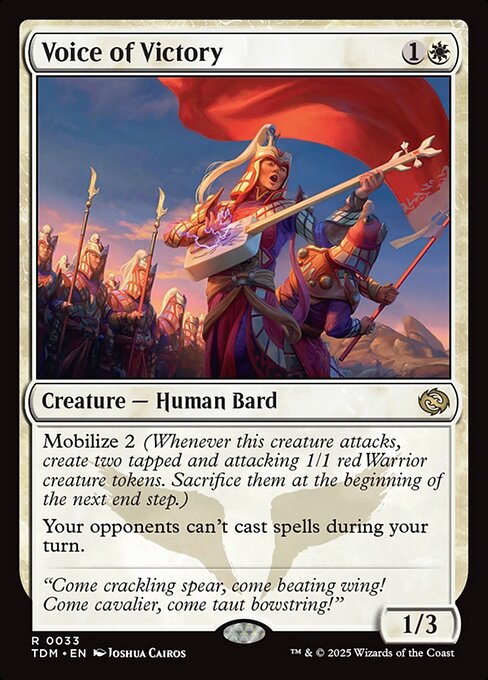
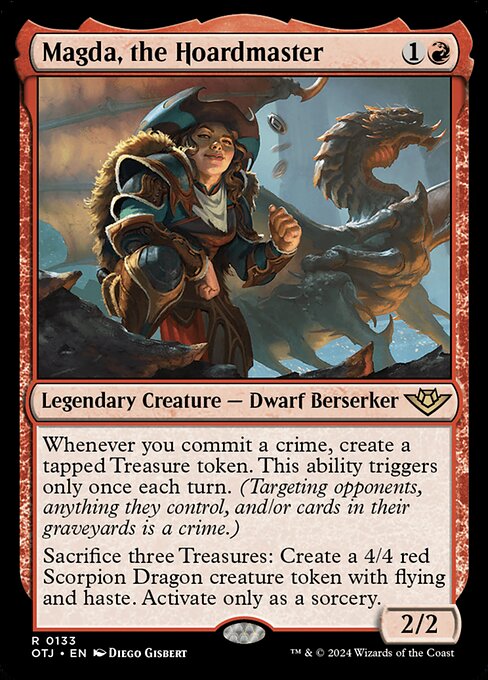
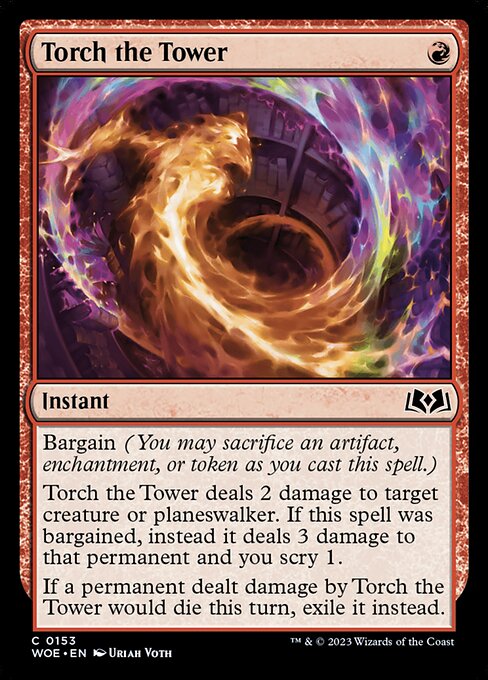
 2 Red aggro decks
 2 Green ramp/graveyard decks
 2 Blue spells/looting decks
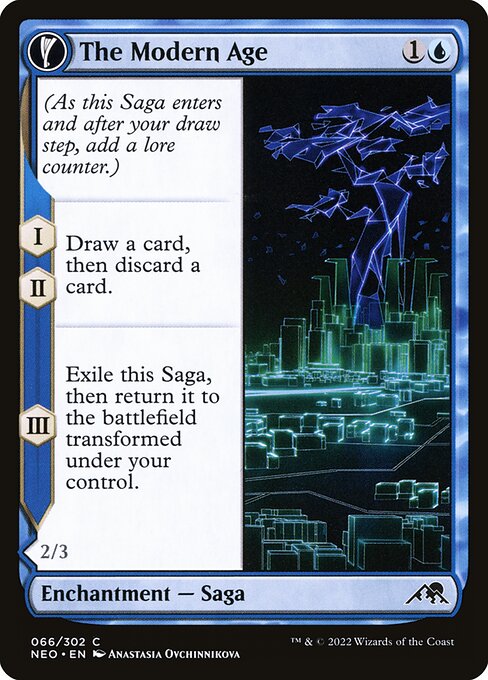
 3 White Rectangles decks
I recently had the good fortune to play in some initial 🍗 rotisserie drafts 🍗 of the Lords of Limited cube. Thanks to Ethan and Ben of Lords of Limited, and Greg from their Discord, for envisioning, designing, and administering the cube. Here I explore those drafts by asking which cards were maindecked together in which pods.
I put together a spreadsheet of which cards each drafter maindecked. To do this analysis, I define a package:
Packages are a pattern in how drafters build decks in this cube. Throughout this post I will use lane for a strategy; a package is the fingerprint a lane leaves in the data.
One thing you will not find here is win rates. A package records what drafters wanted to build, not whether it worked; deck strength, play skill, and matchup luck are all invisible to this analysis. Nothing here is a power ranking of the lanes or of the drafters. [draft — make it yours]
To skip to the conclusion, here is what I see at each pod:
2 Red aggro decks 2 Green ramp/graveyard decks 2 Blue spells/looting decks 3 White Rectangles decksHow to read the chart below: every drafter gets a seat, colored by the strategy their deck served — we will define everything as we go. Throughout this post, hover any drafter's name to preview their deck. [draft — make it yours]
 Sac Ramp + Graveyard Looting Tokens Spells Ramp Sac Ramp + Ramp Spells Looting Tokens Sac Looting Graveyard Looting Sac Sac Spells Ramp + Ramp Spells Graveyard Tokens
Let me walk you through it!
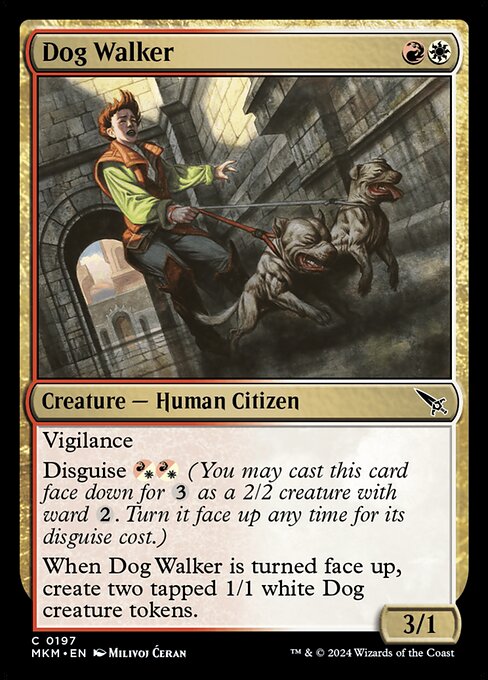
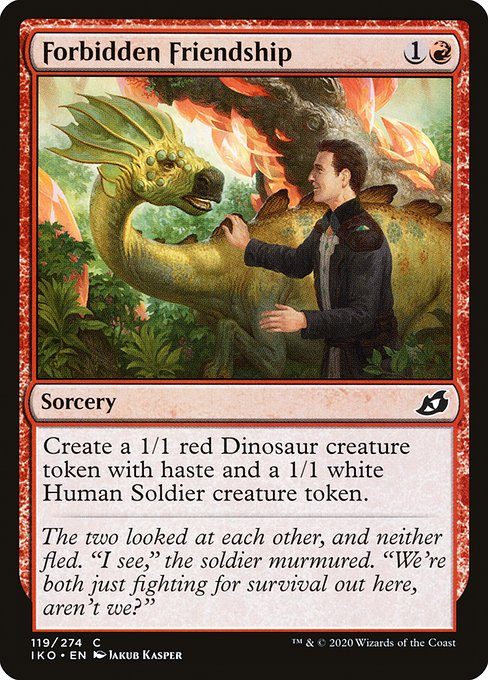

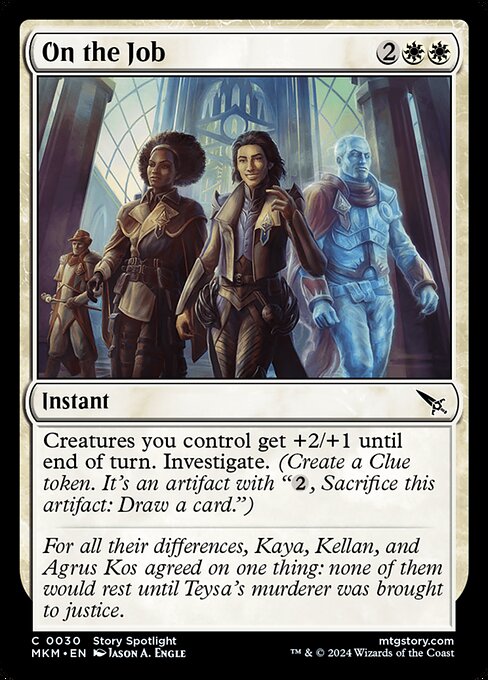
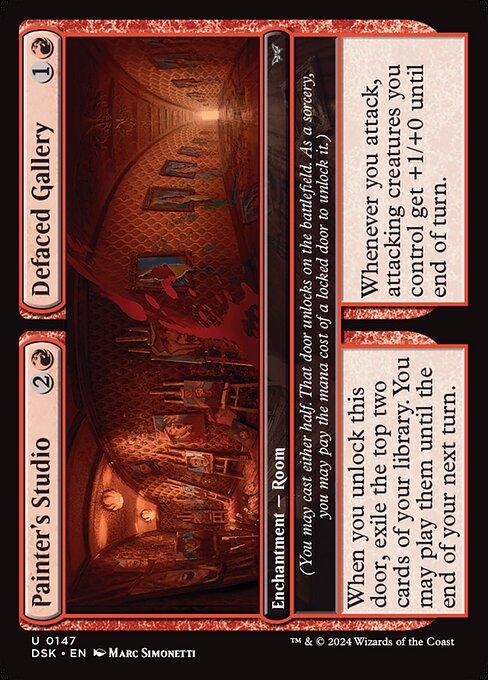
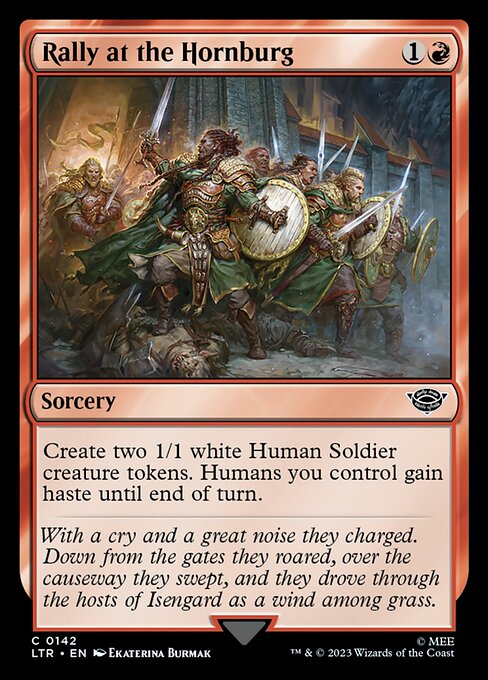
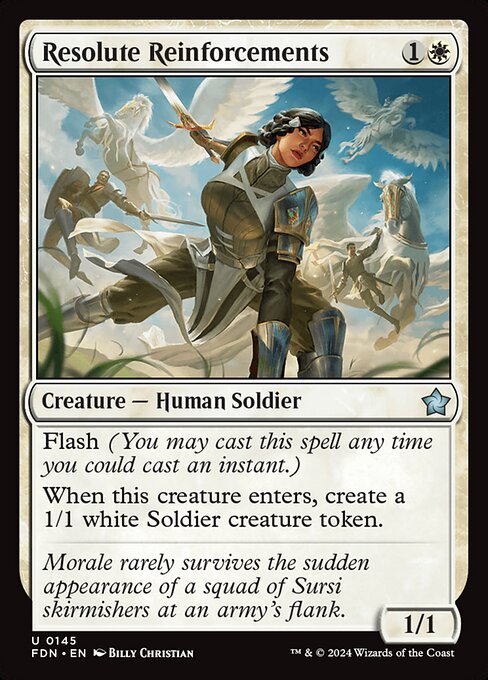
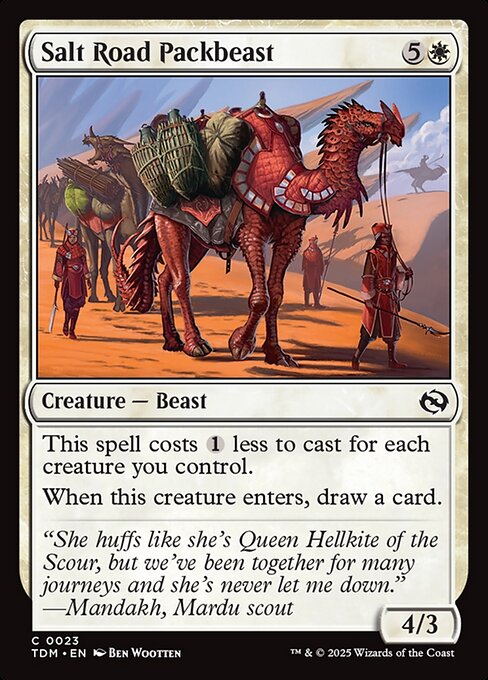


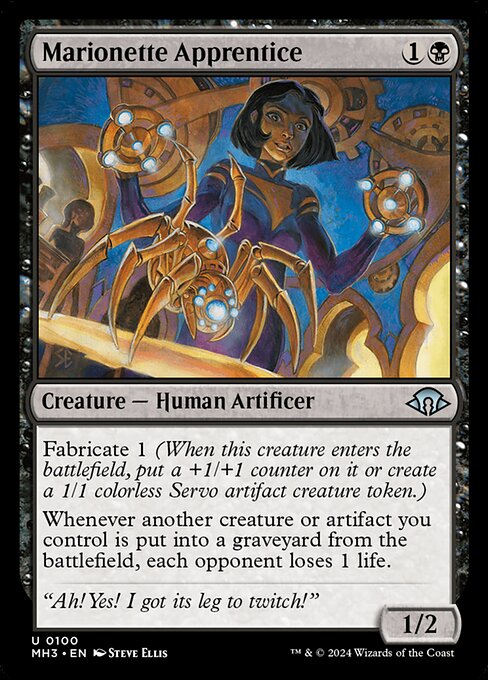
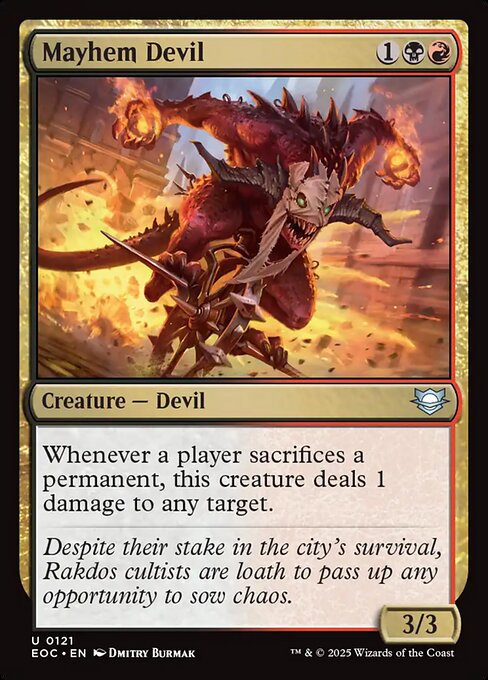
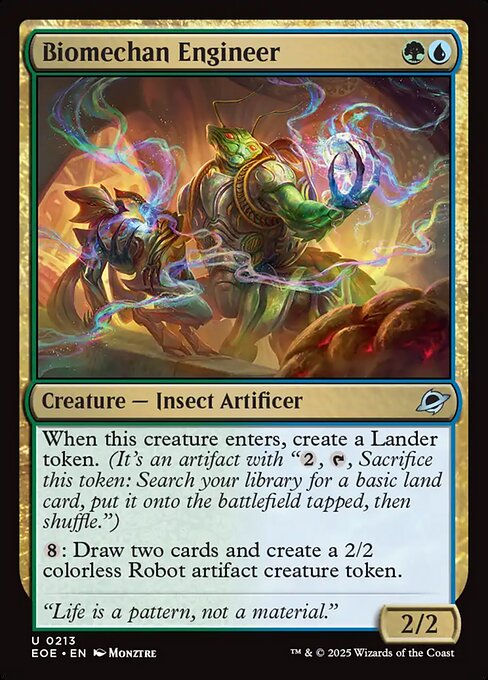
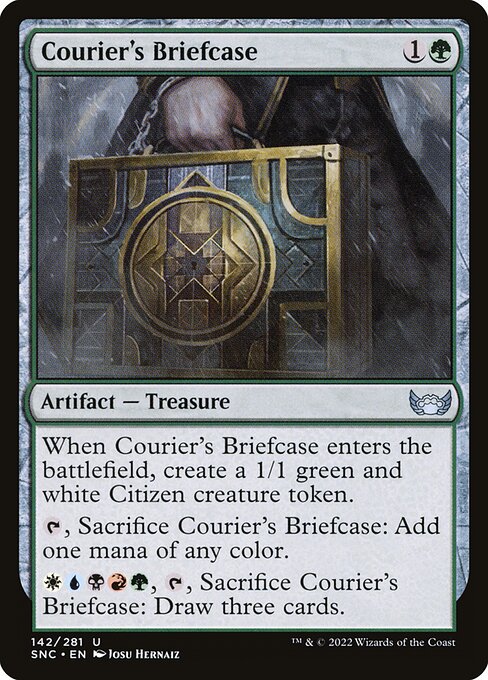
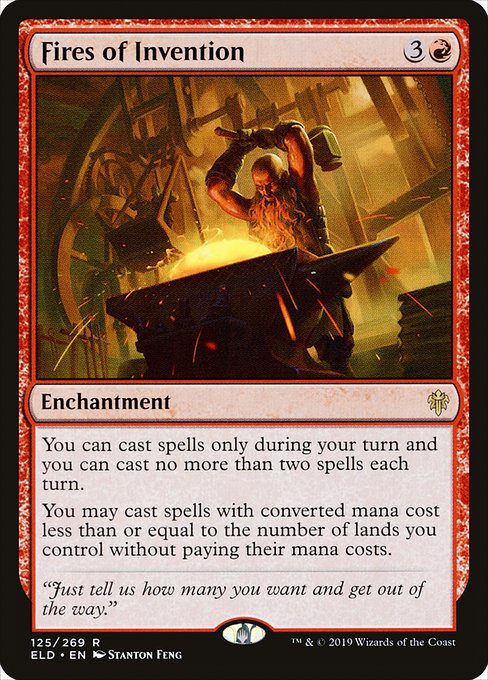
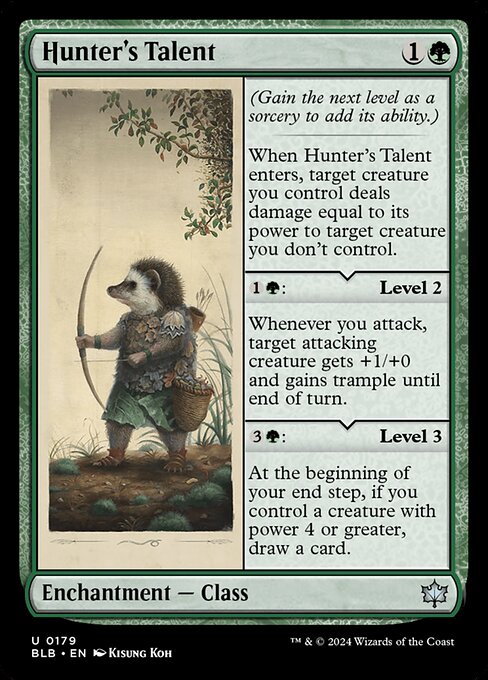
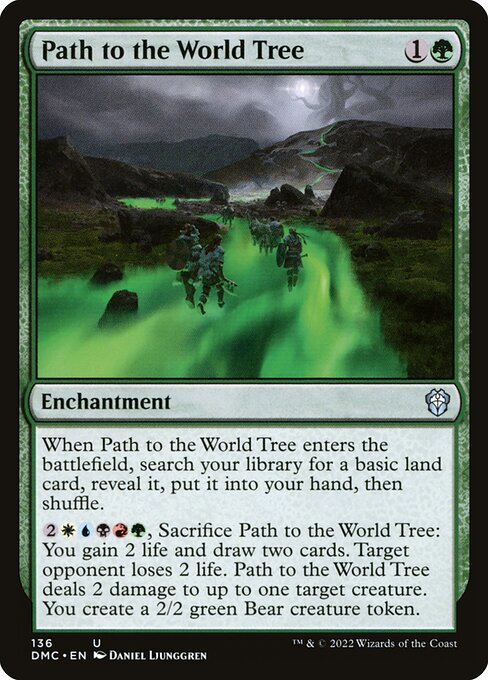
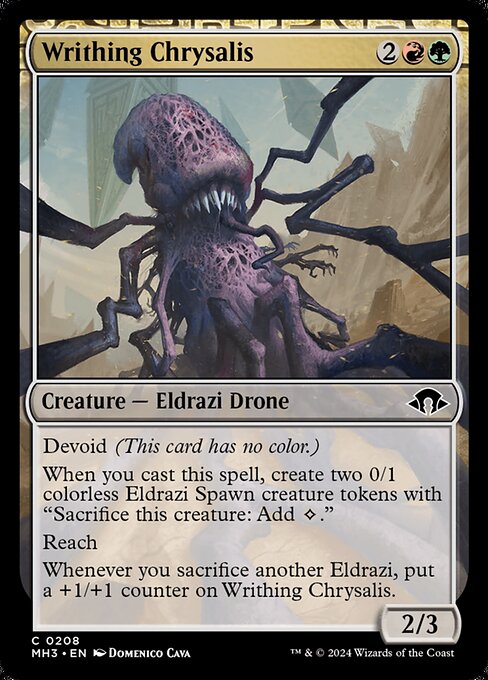
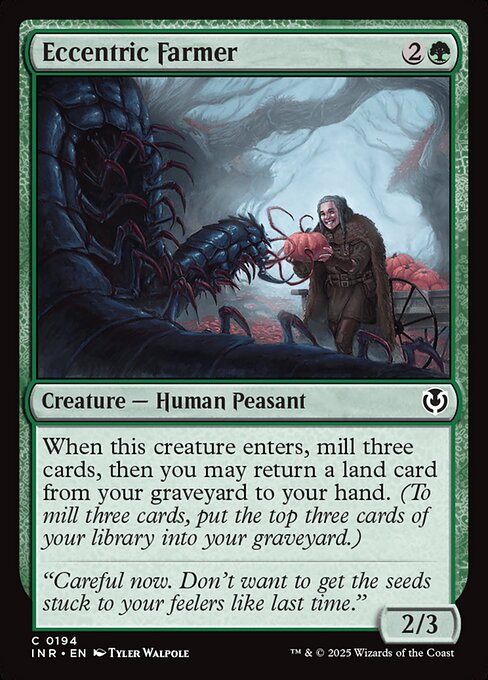
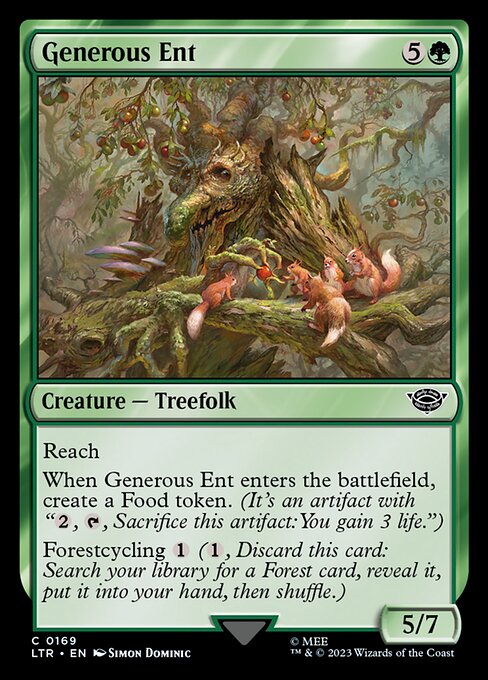
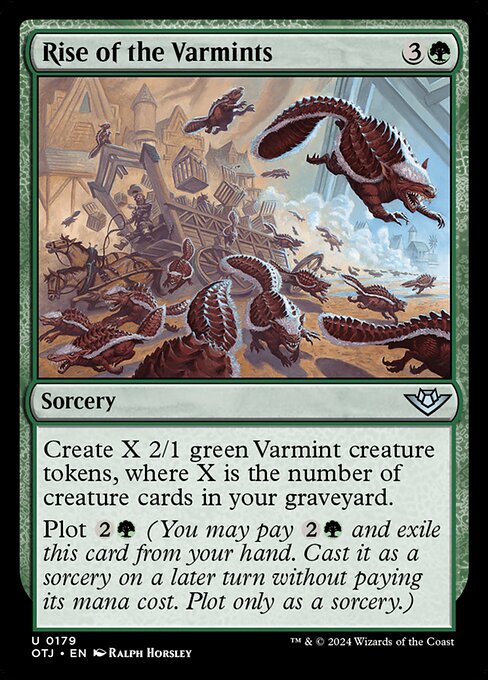

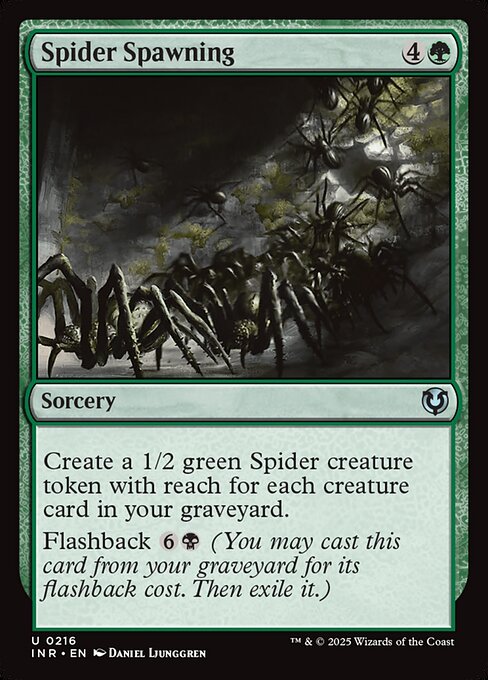
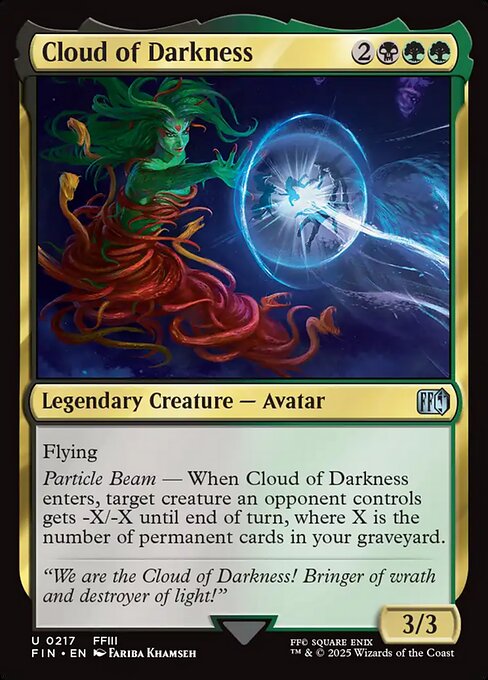
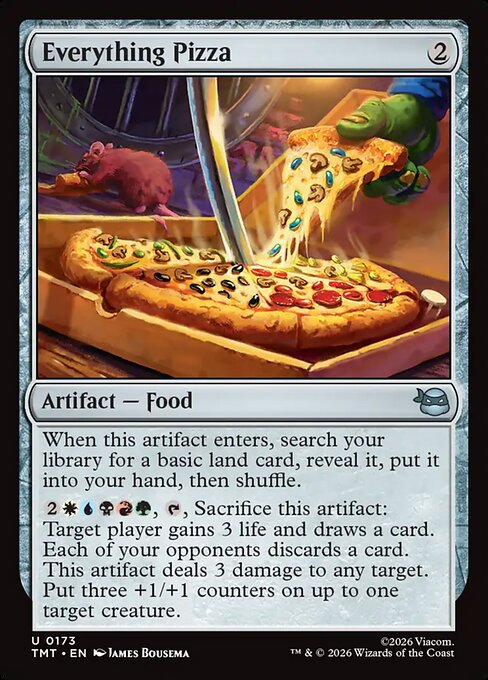
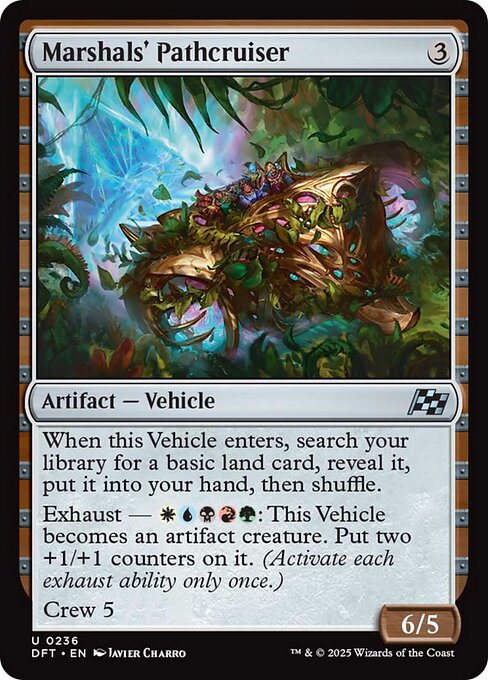
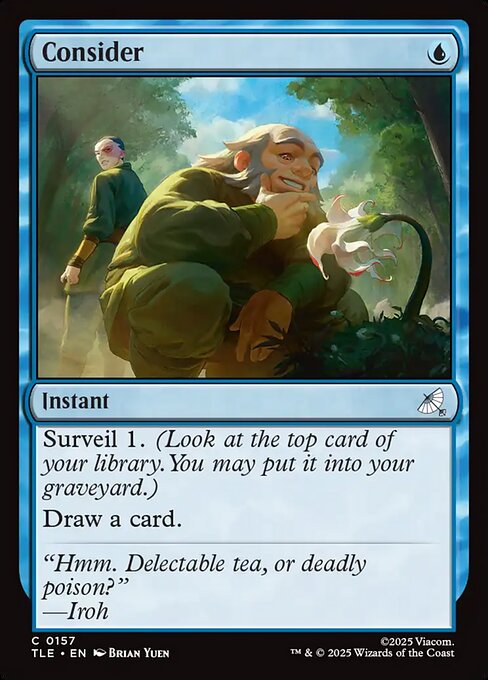
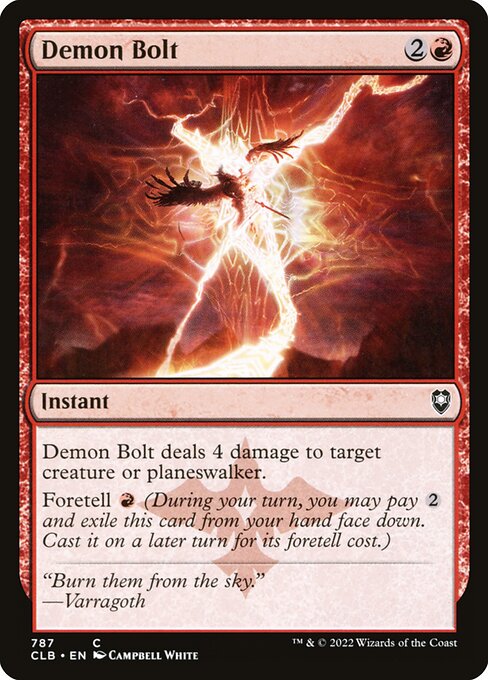

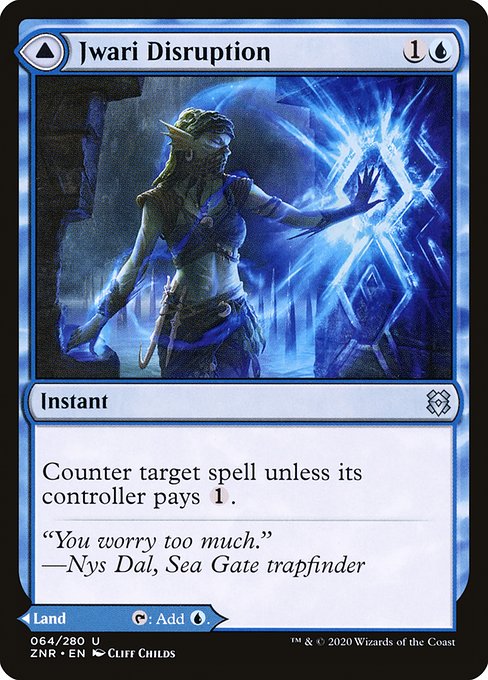

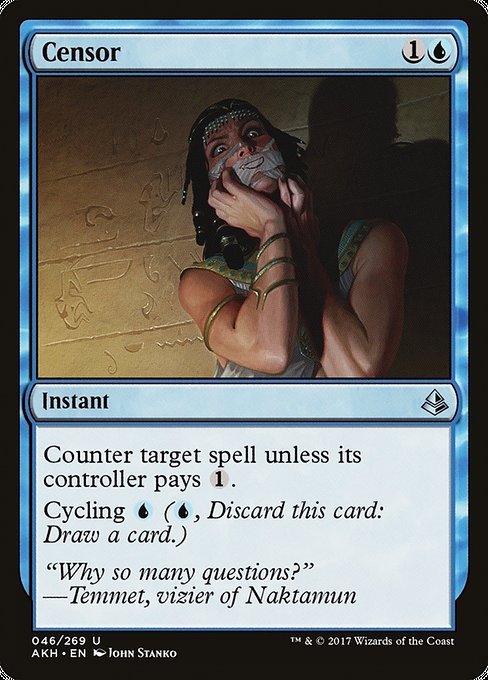
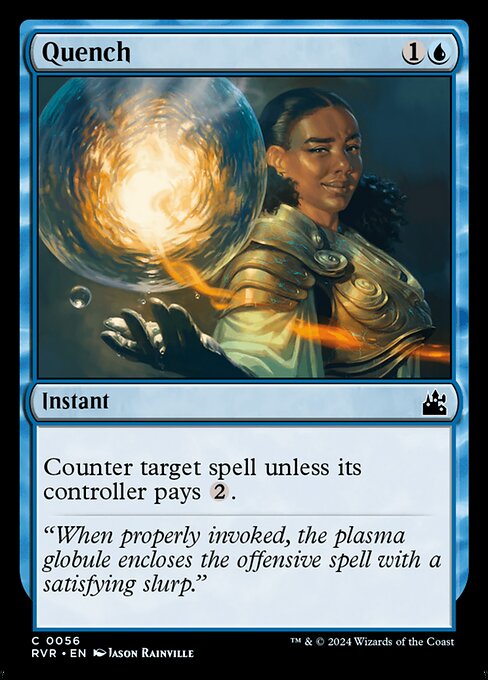
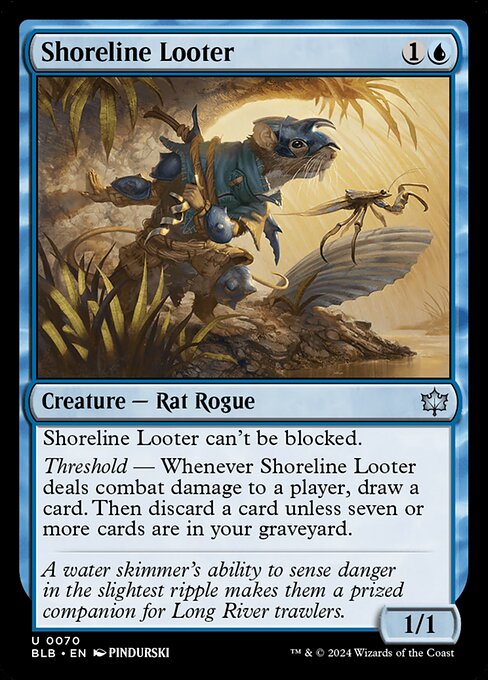
First, the packages of size 3 or more. There are 7, and they fall into 3 groups.
A caveat before you extract any heuristics: this is archaeology, not a draft guide. This was just 3 pods, and the cube has already been majorly redesigned — partly in response to these very drafts — so none of this predicts the next one. Read the lanes as a record of what one metagame discovered, not as advice. [draft — make it yours]
These cards:
Which cards specifically show up in these packages is a bit arbitrary; again, we only have 3 pods here. However, the lanes from which those cards are drawn are anything but arbitrary. The larger and clearer the lane, the more likely two cards are to be desired together, and the more likely it is that some subset of that strategy ends up in a package.
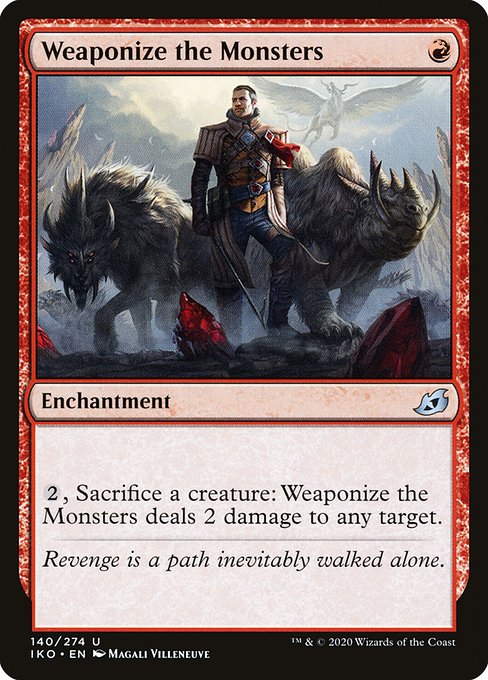
The RW tokens package, at 9 cards, is the largest in the data; the RB sacrifice package has only 3. The difference is competition. Only the sacrifice decks contested the tokens cards, and only lightly, so all 3 tokens drafters took many of the same cards. The sacrifice decks varied far more, borrowing from both the tokens package and what I will call the "White Rectangles" lane. Aviseras drafted Weaponize the Monsters and built sacrifice synergies into his tokens deck, but took none of this particular package; in all 3 pods, different drafters drafted the two packages.
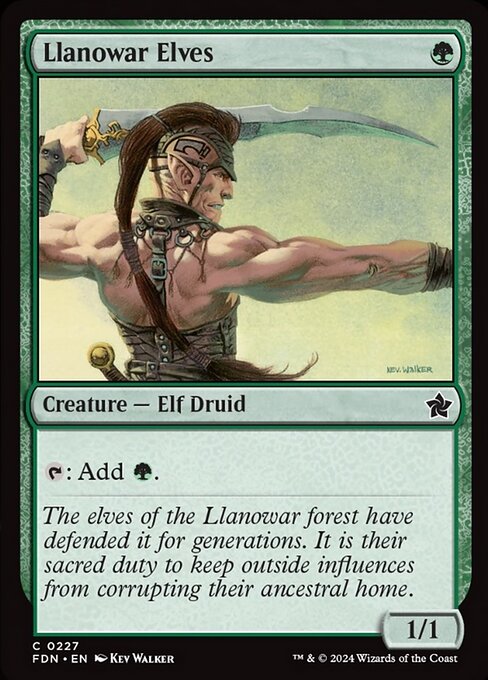
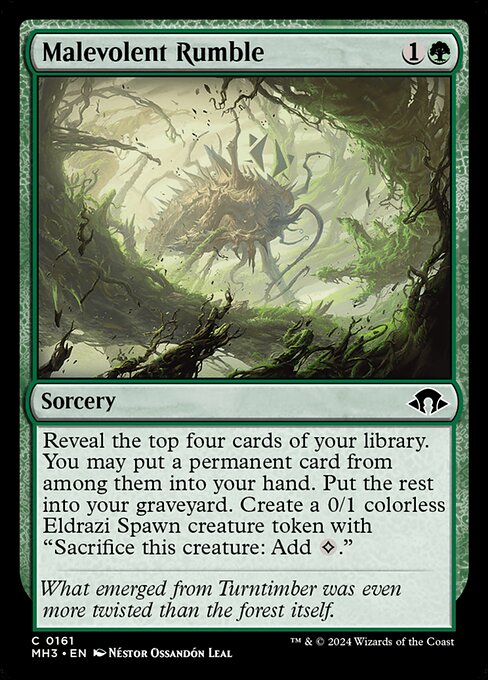
Tokens SacrificeThere are 3 green packages — Temur Ramp, Golgari Ramp, and Golgari Graveyard — but they represent just two strategies — each pod had only 2 drafters drafting the 3 packages.
Together they show green's two ways of building an inevitable board — ramp and the graveyard — and the two mana bases used to do it: Temur and Golgari. One is the Temur ramp package, another the Golgari graveyard package, and the third is sort of a hybrid of the two.
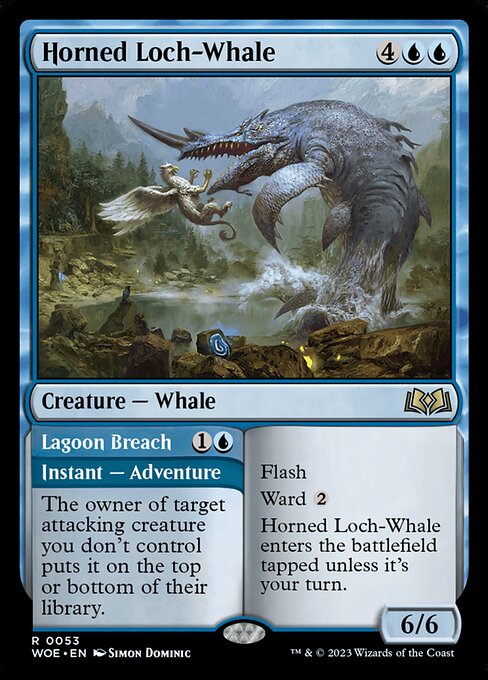
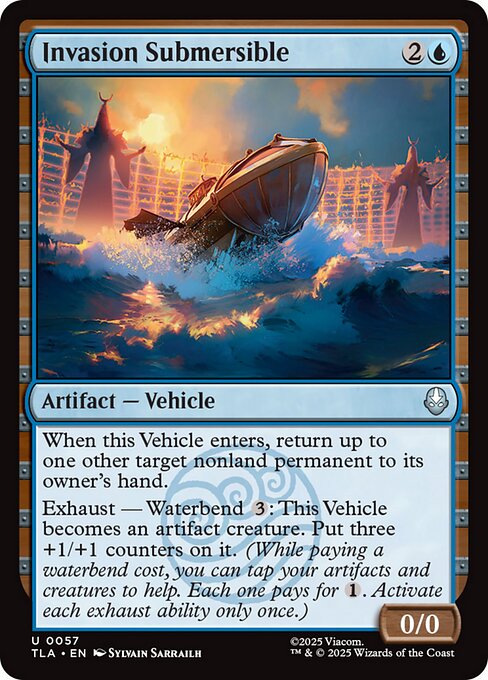
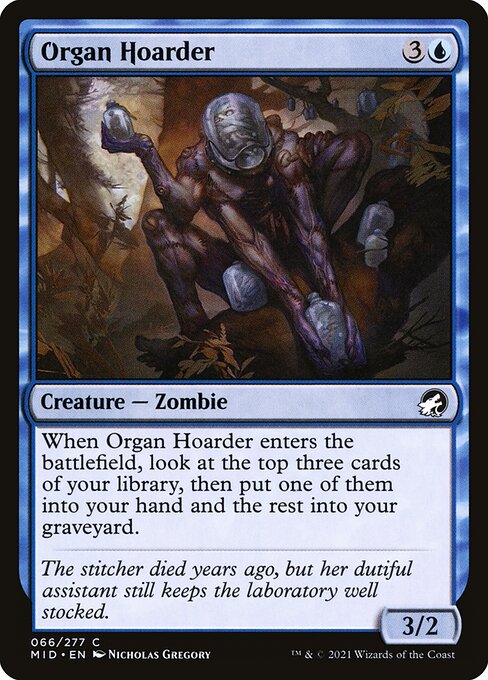
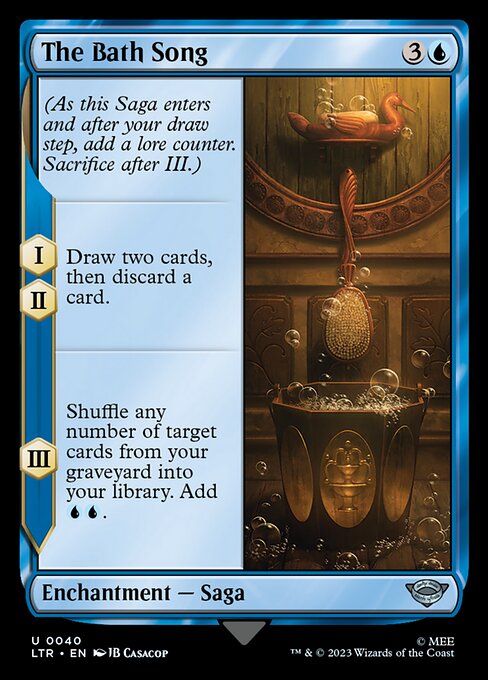
Temur Ramp Golgari Graveyard Golgari RampAs with Red, the Blue lane splits cleanly: in each pod, different drafters took spells-matters and looting cards. The spells package has 5 cards, looting only 3 — the gap reflects looting's open-endedness; its decks were the most distinct of any package's. The spells decks ranged from tempo to control, wider than tokens, but their larger package marks a clearer foundation — good cheap spells — than that of the mysterious blue tempo deck.
Spells LootingThose 7 packages describe 6 drafters at each pod. That's all that shows up when you look for packages of size 3 or more. However, if you look at the pairs, packages of size 2, you can find the 4th lane: White Rectangles, which covers all but 1 of the other drafters (we will get to them, eventually).
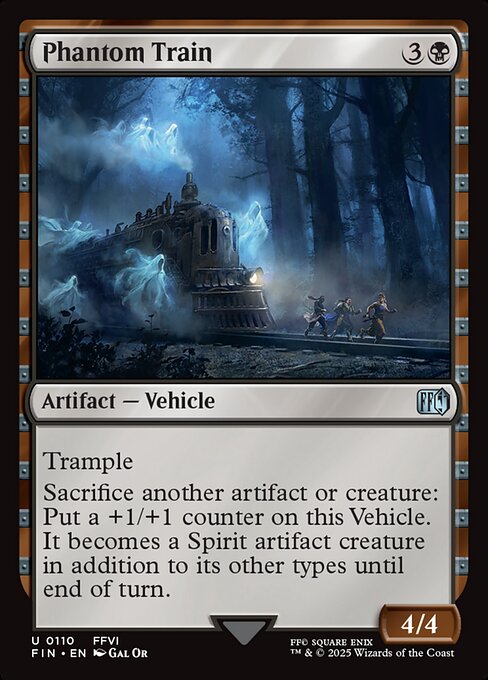
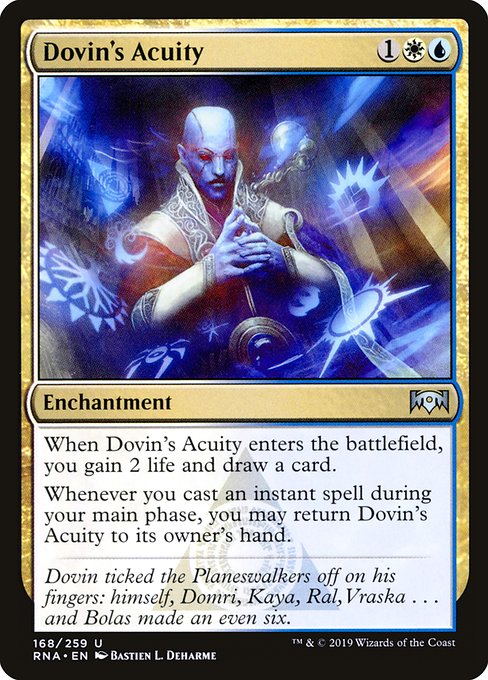
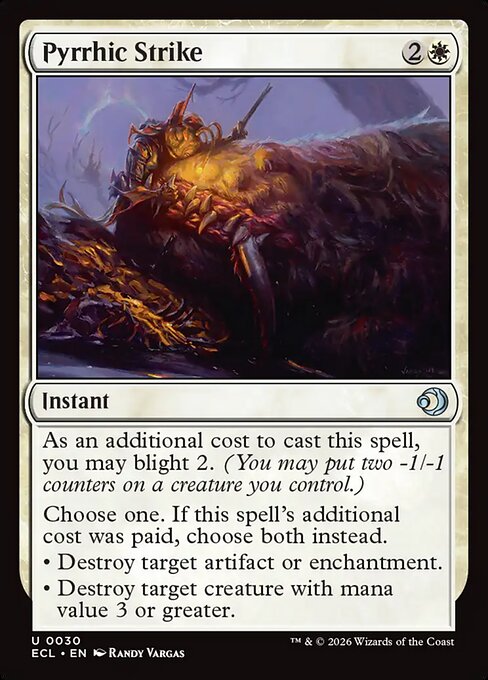
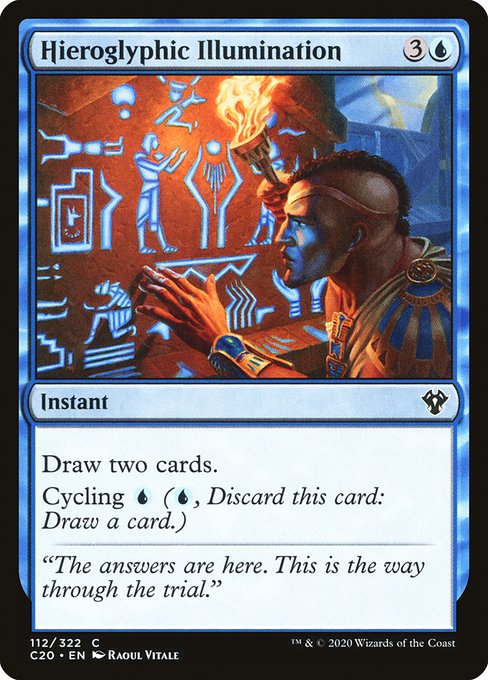
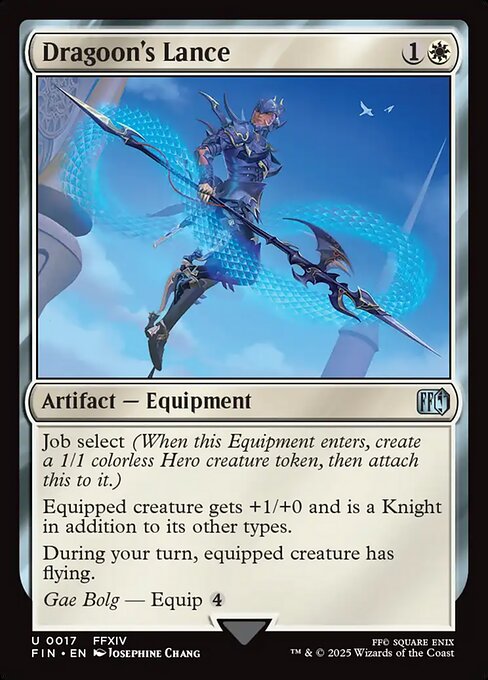
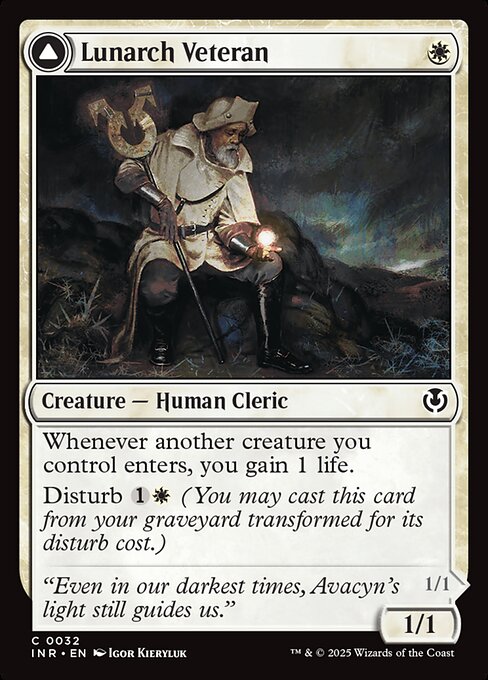
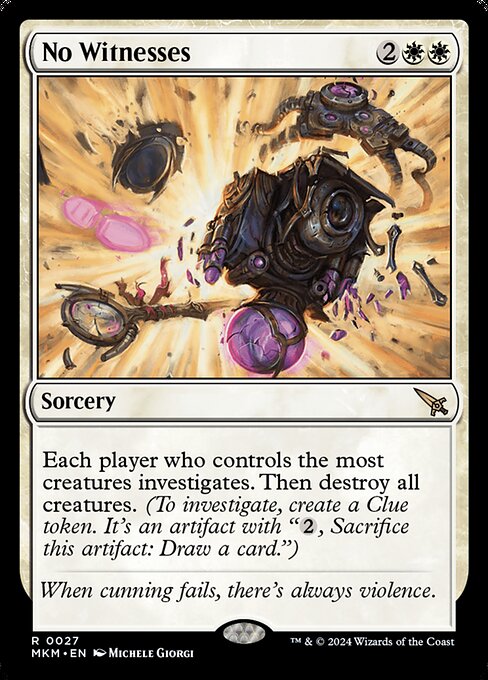
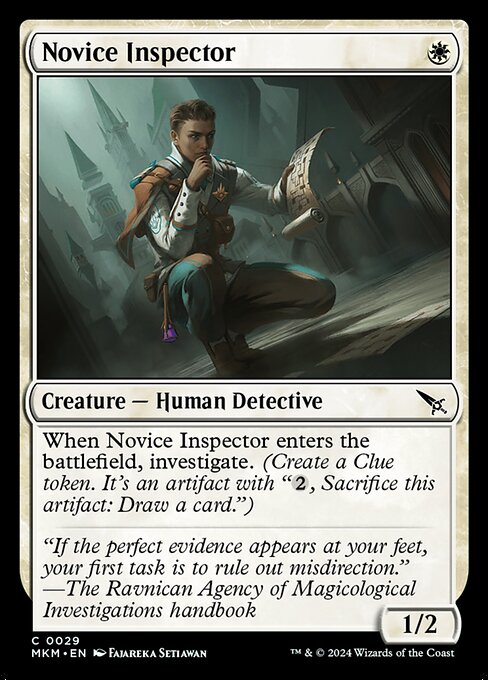
Half of the pairs showed up either only or mostly in decks that also played big packages. These pairs can be thought of as contested cards within the 3 lanes above: in most pods they went to those lanes, but for 5 of the 7, one pod's White Rectangles drafter took them instead. But the other half were drafted mostly by decks outside the 3 established lanes. If you look at these 7 pairs, they are all clearly "rectangles" cards, mostly W and touching U and B.
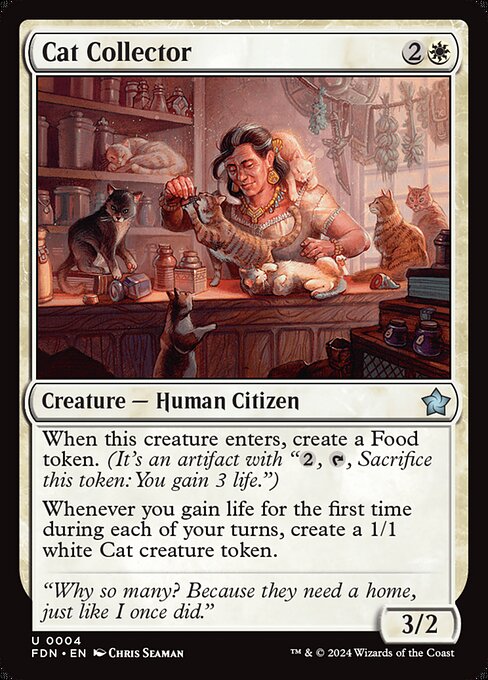
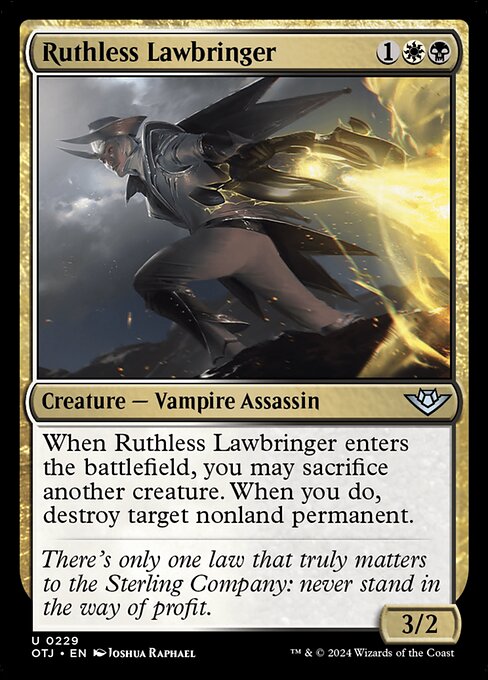
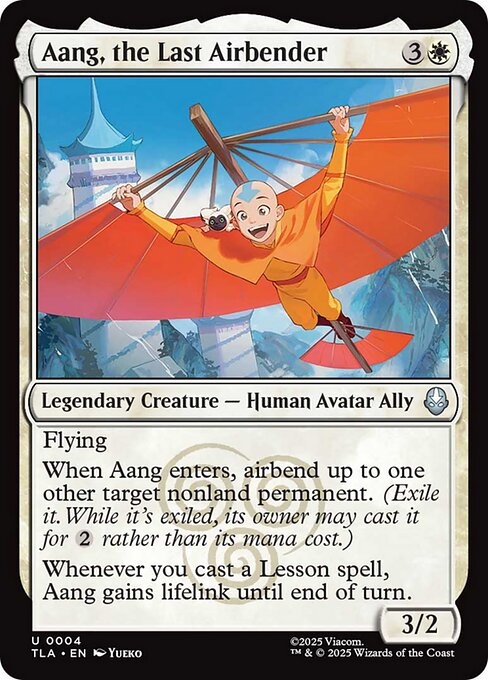
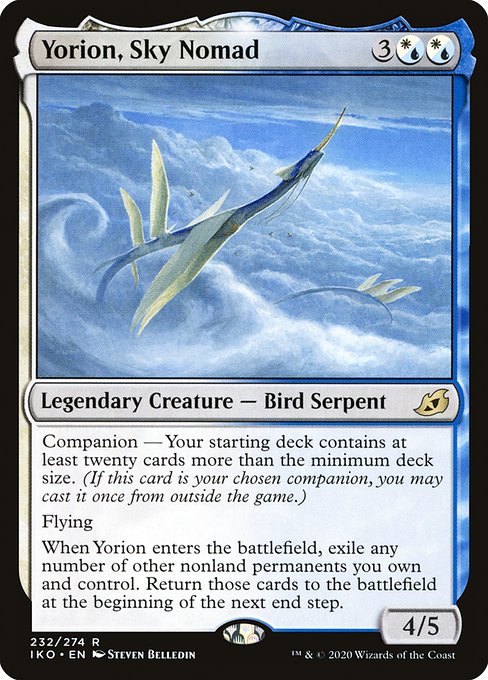
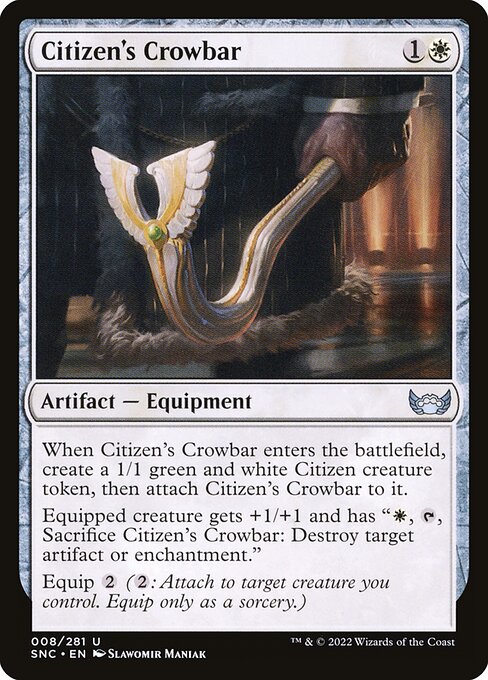
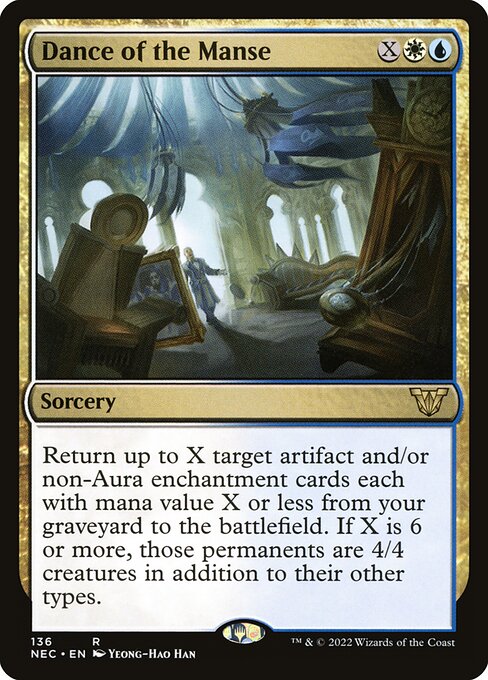
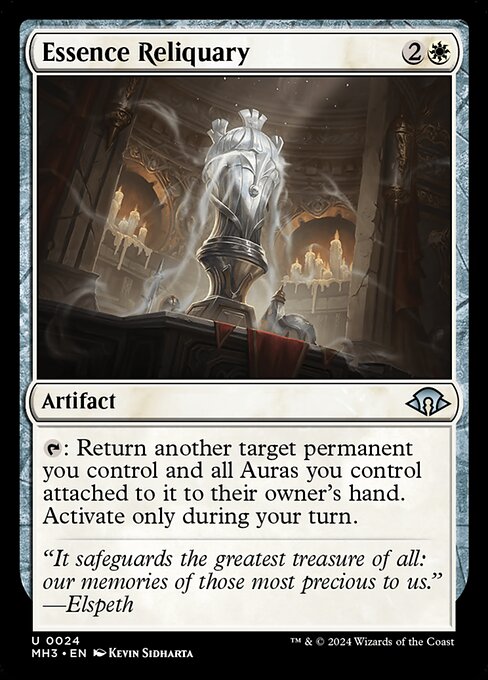
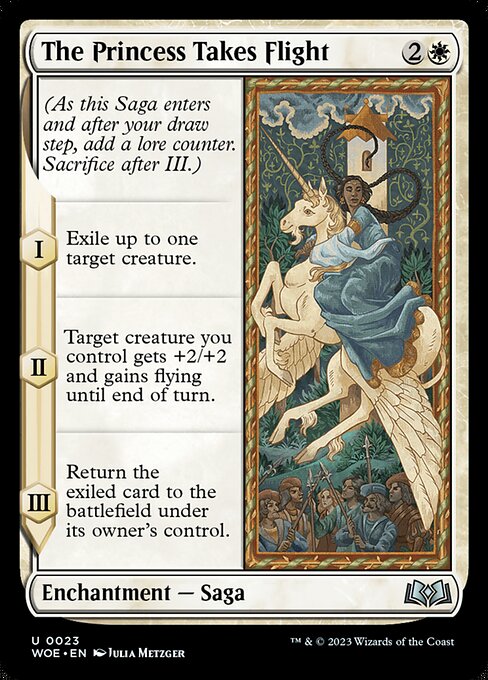
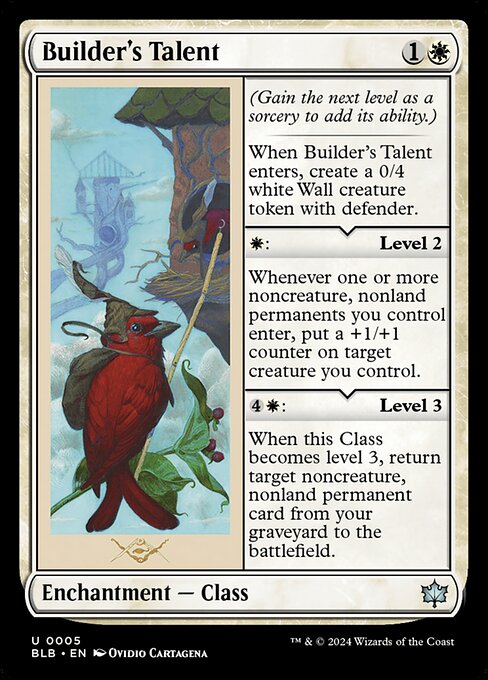
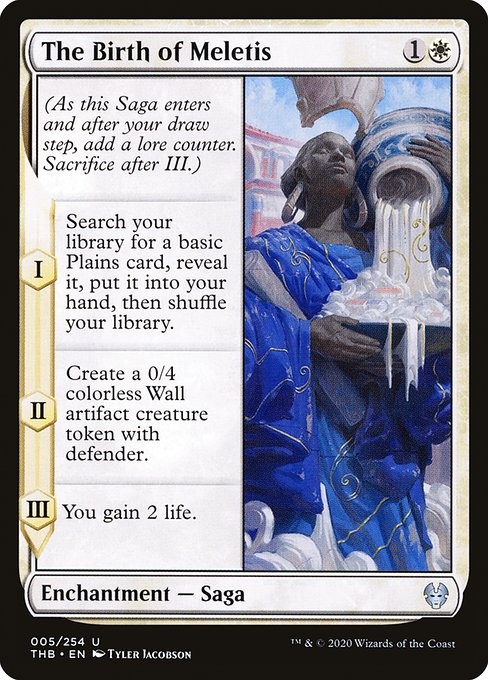
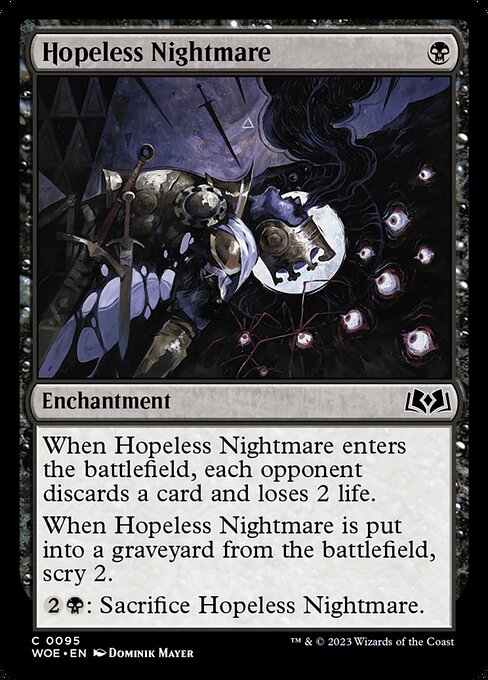
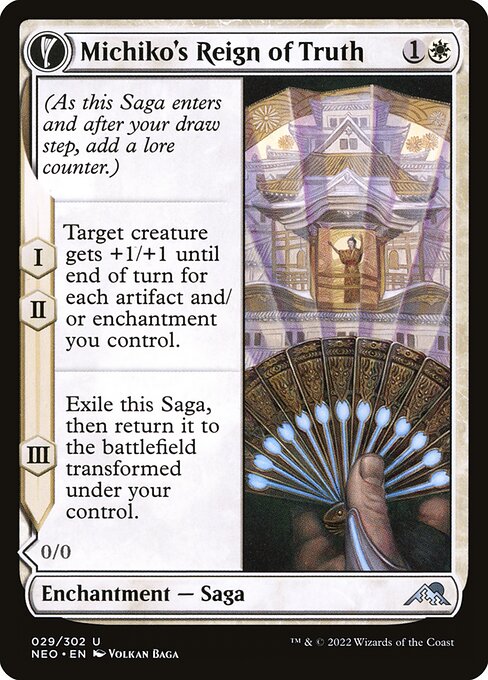
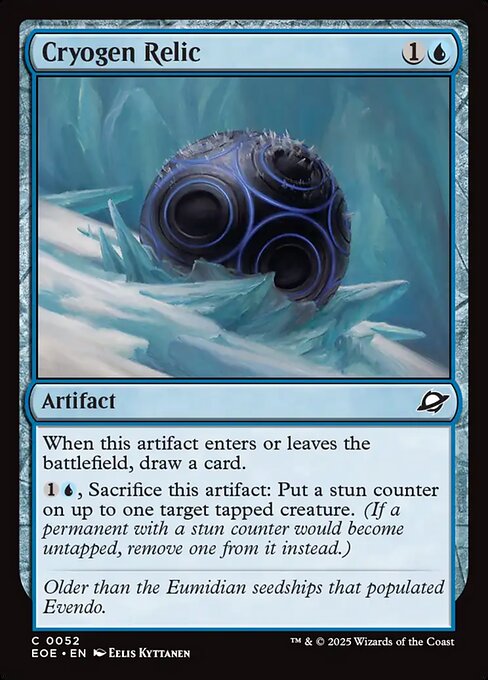
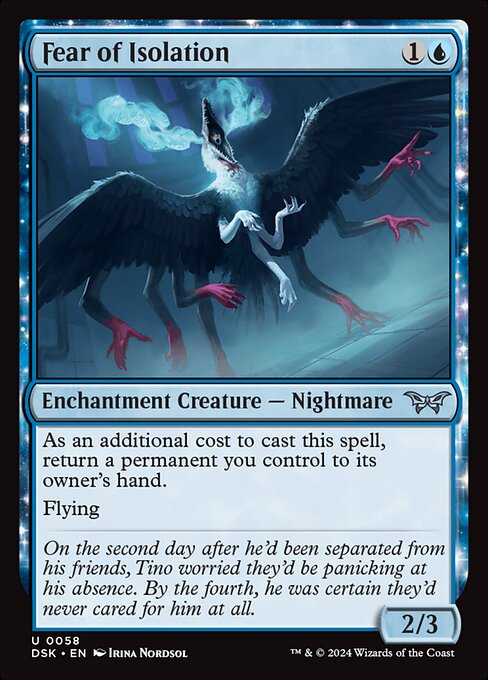
The contested pairs, for the record:
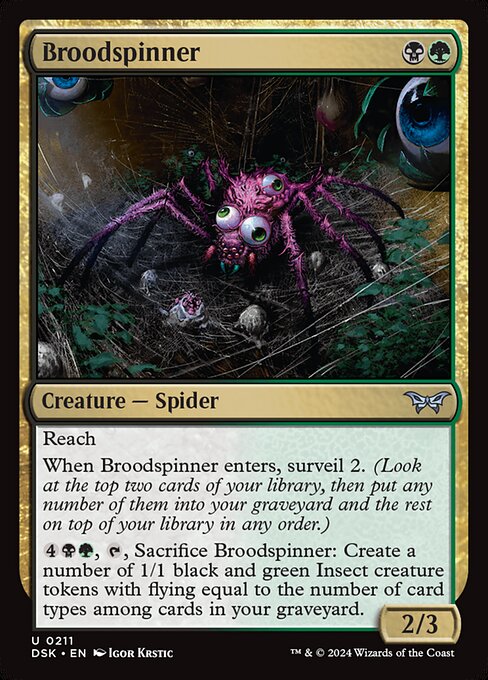
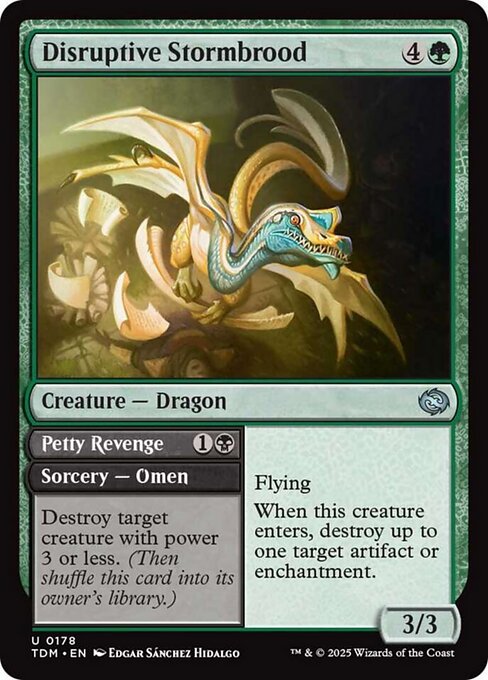 Ramp · Graveyard · Graveyard
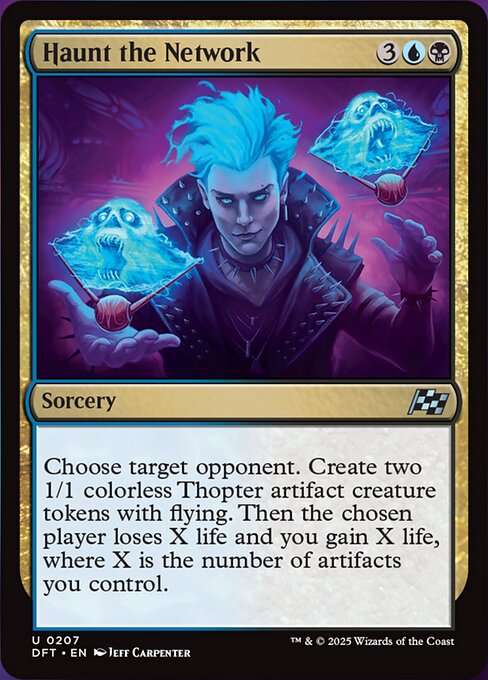
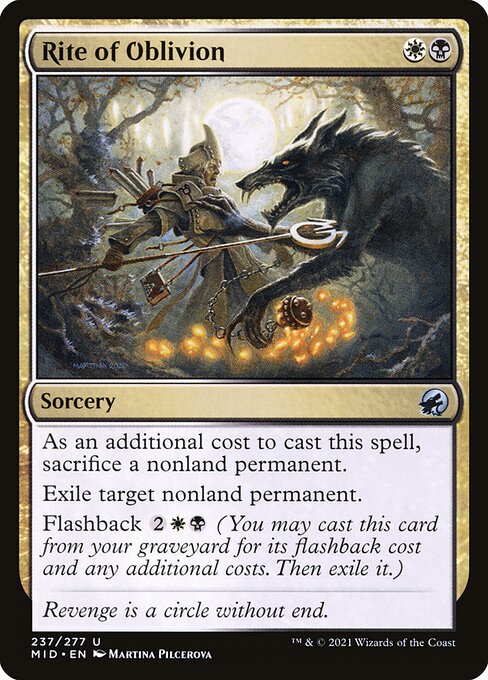
What's different about the White Rectangles lane is that it fights with everyone. While the cards that define the lane are all Esper cards, these cards can be played alongside any of the other three lanes. For the most part, the synergistic pairs that are sought out by the Blue, Red, and Green lanes are disjoint, and they do not fight with each other. But they all want to play some rectangles cards, and a rectangles shell can be made to play well with cards from any of the three other lanes.
Rectangles decks borrow elements from the 3 other lanes. Most borrow primarily from one; some are more complex mixtures. Adding 3 rectangles drafters to a pod is kind of like adding another drafter to each of the other lanes, but mixed rather than distilled.
Cross-pod shared cards between each rectangles deck and the aggro, green, and blue lanes. Rectangles-to-rectangles overlap (each deck's largest) not shown.
Which brings us to the purple seat. In a statistical sense, it would be reasonable to say FOOMP drafted the most unique deck of all the drafters. FOOMP's is the only deck in all three pods with no package: not one pair of its non-land cards was maindecked together in both other pods.
The other 27 drafters all shared at least one pair with the other two pods:
There's a mechanical reason for this: FOOMP's deck has a Gyruda companion. In my opinion, it is an awesome statistical artifact validating how companions make deckbuilding truly unique.
sealeddeck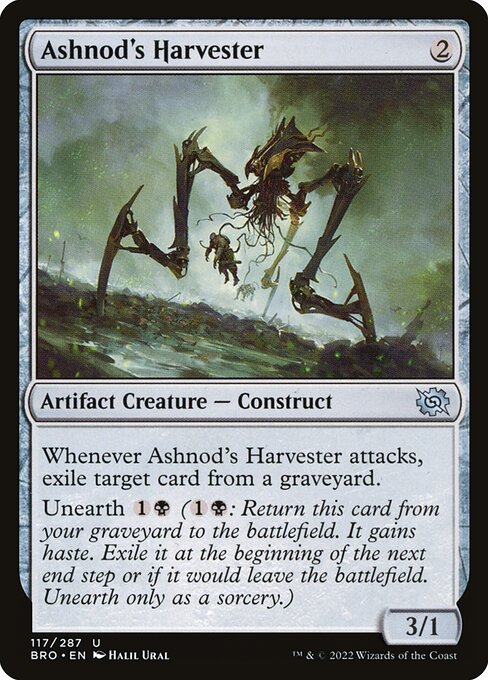

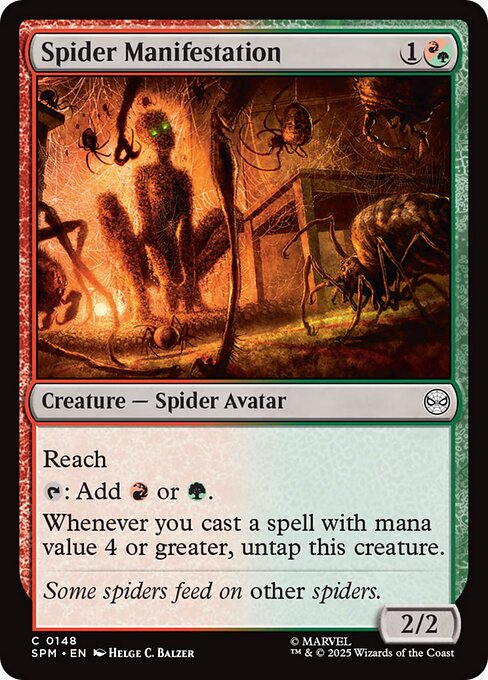
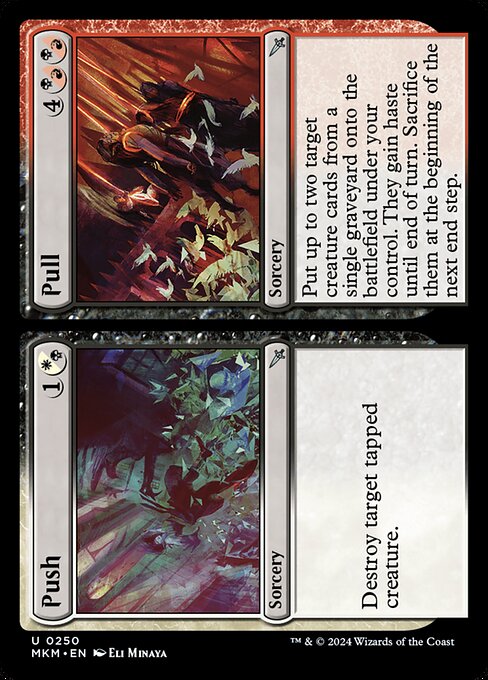
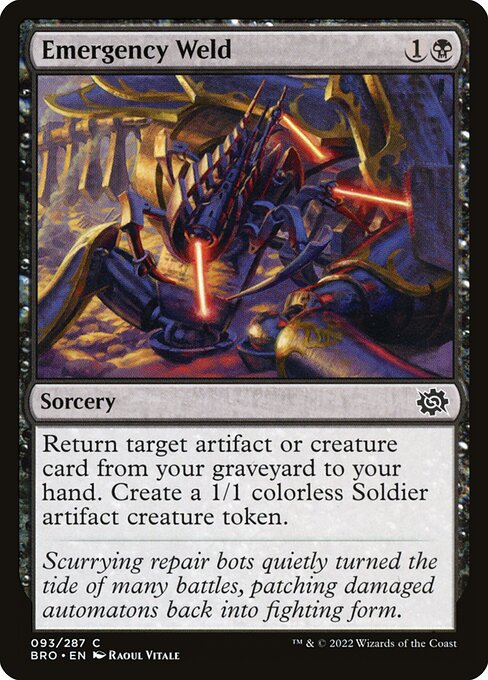
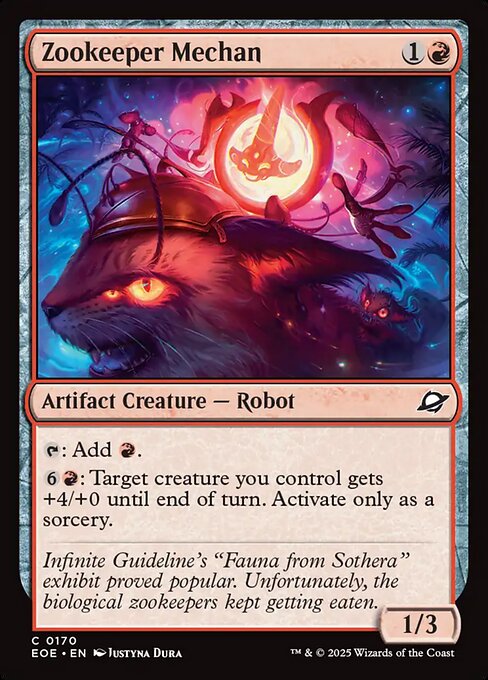
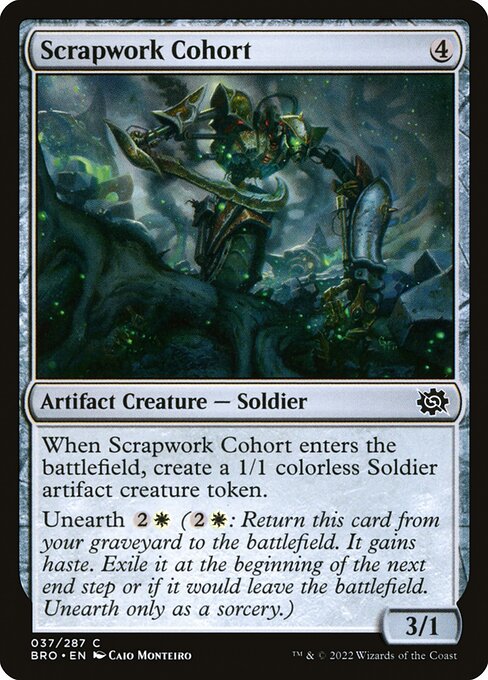
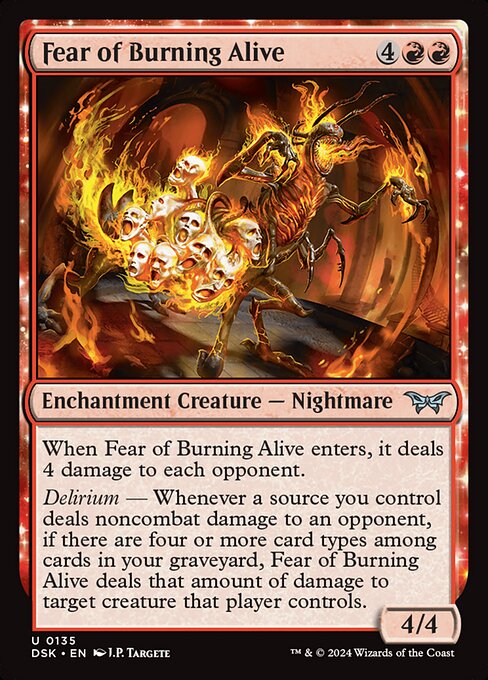
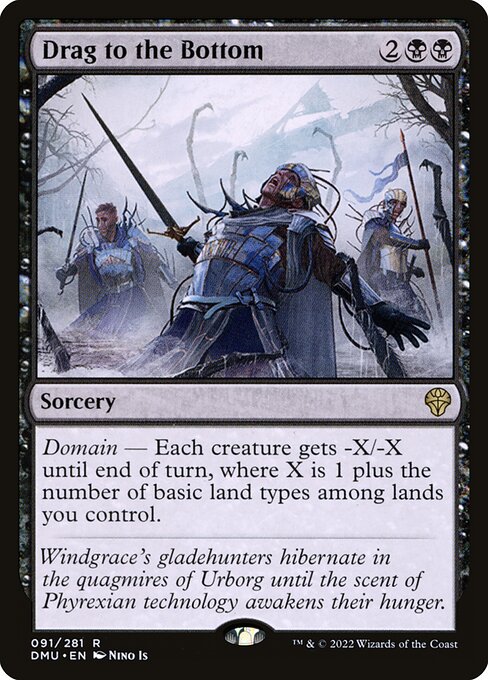
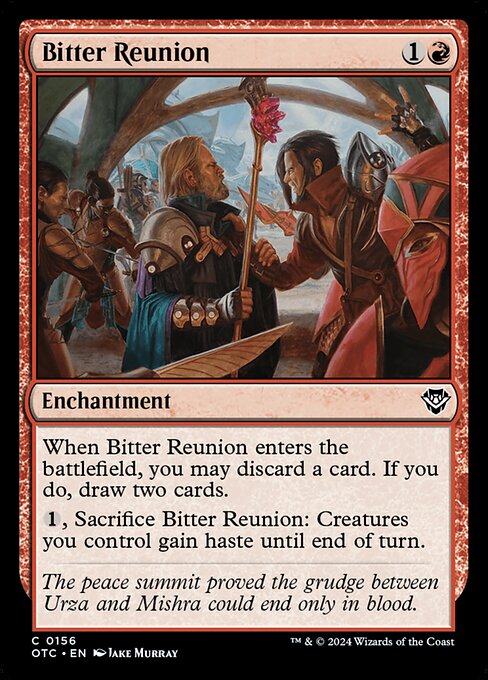
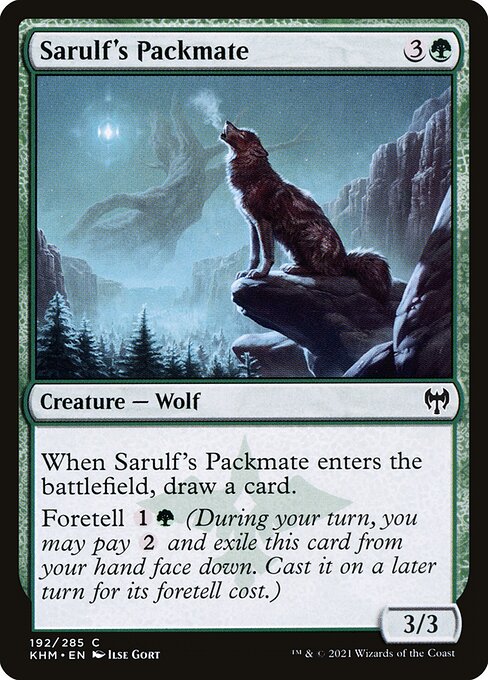
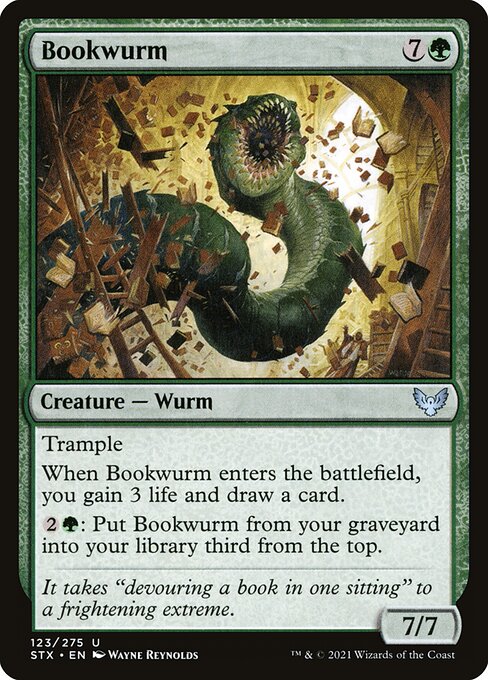
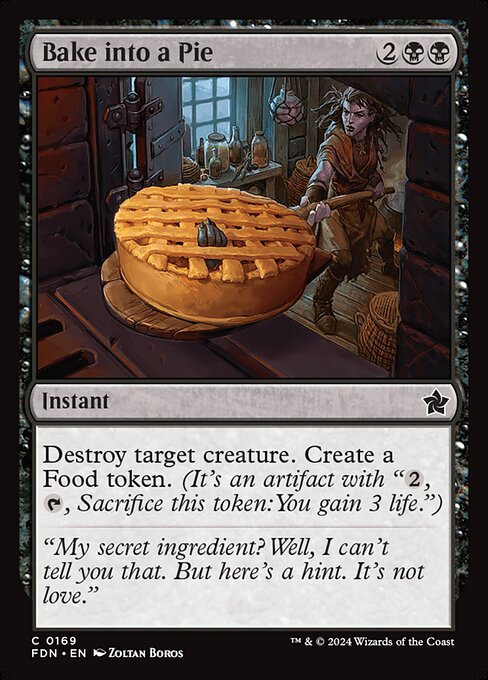
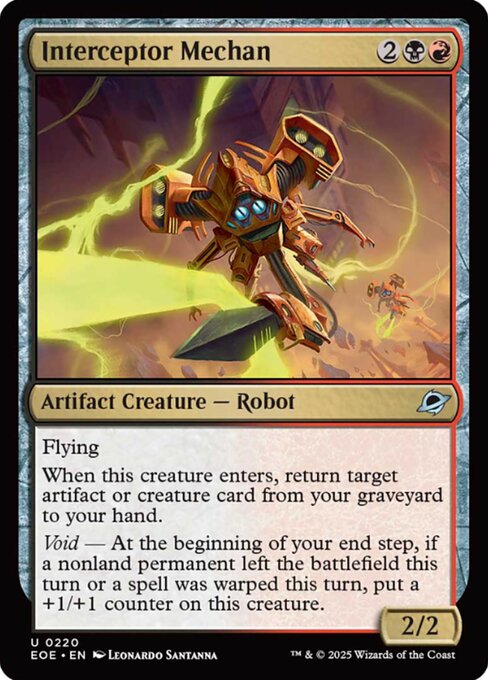
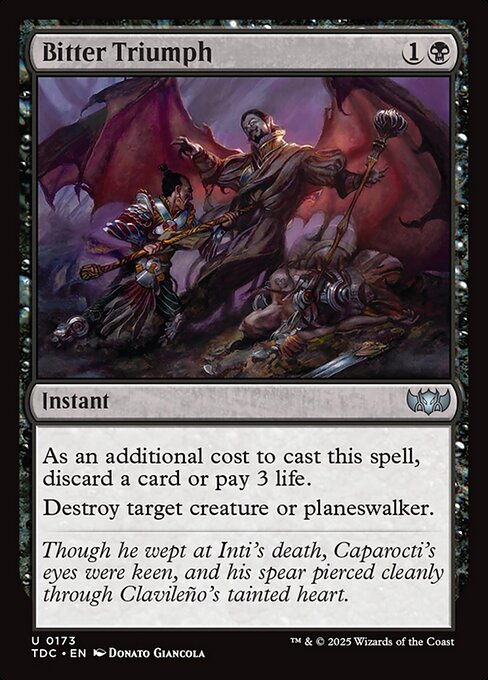
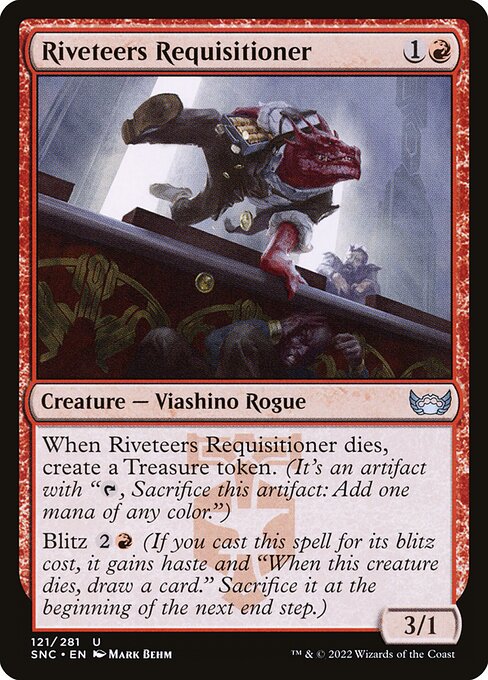
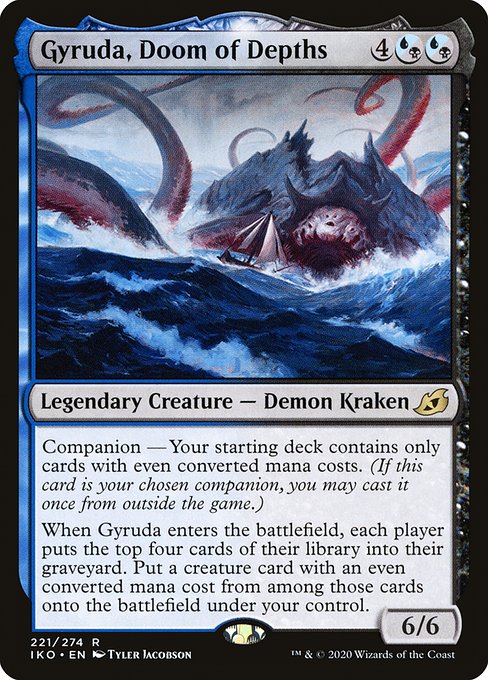

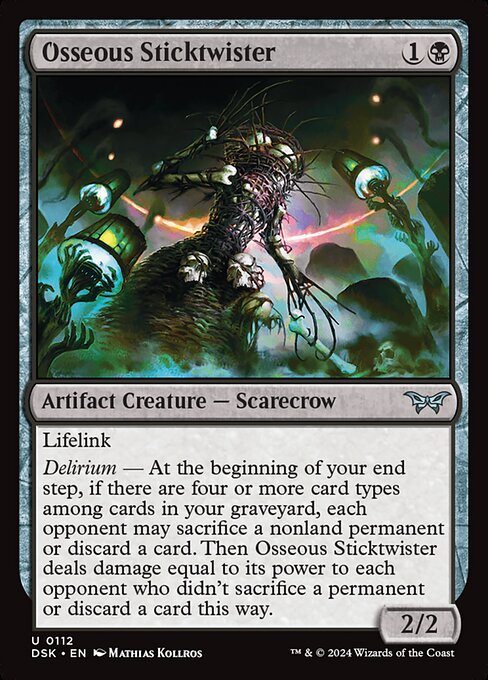
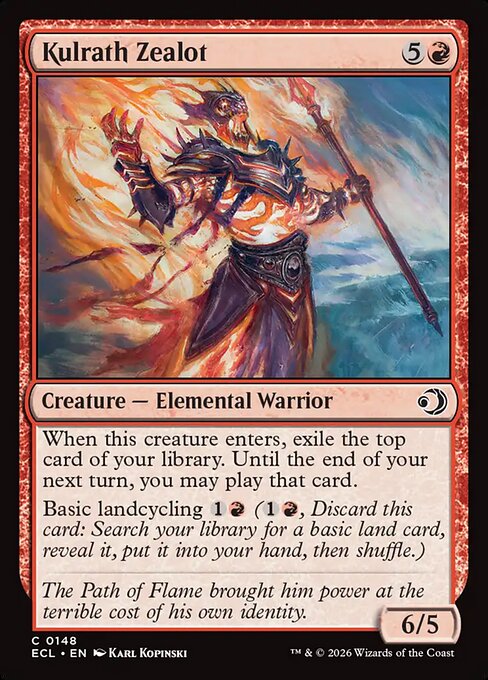
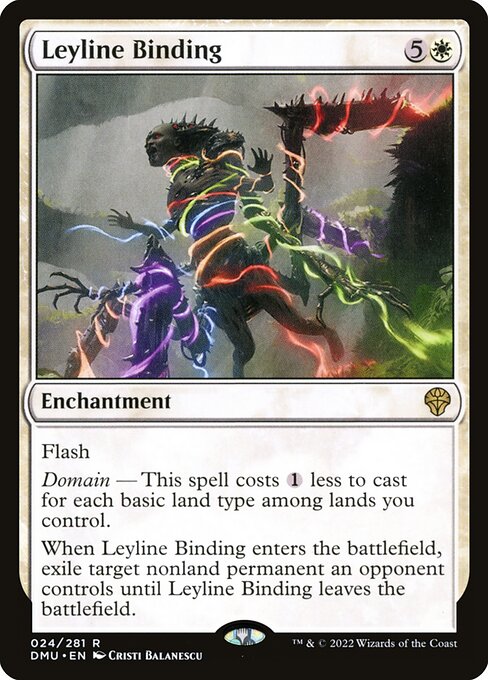
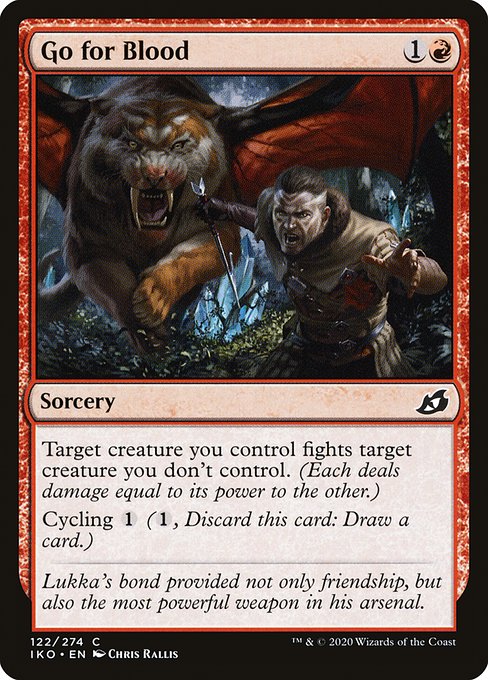
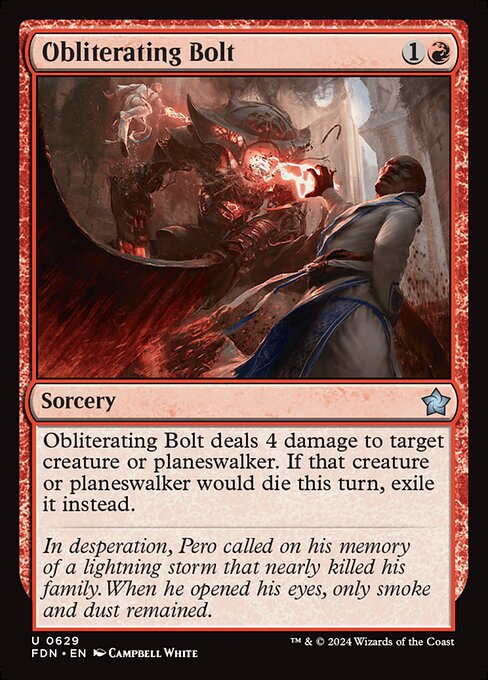

FOOMP wins one definition of "most original": no pair shared with both other pods. But I explored a second definition: which decks had the largest set of cards with no pair as a subset — i.e., no 2 of its cards were ever maindecked together in any other deck.
The biggest such set of all belongs to Draft 3 ColdBrewNate — 18 of its 37 non-land cards: [draft — make it yours]
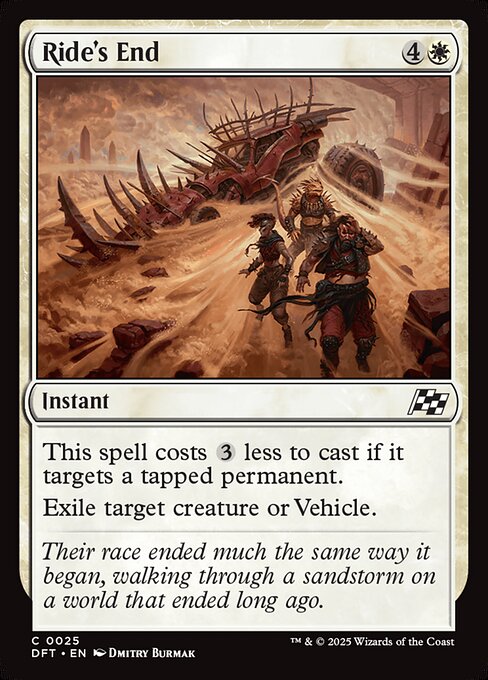
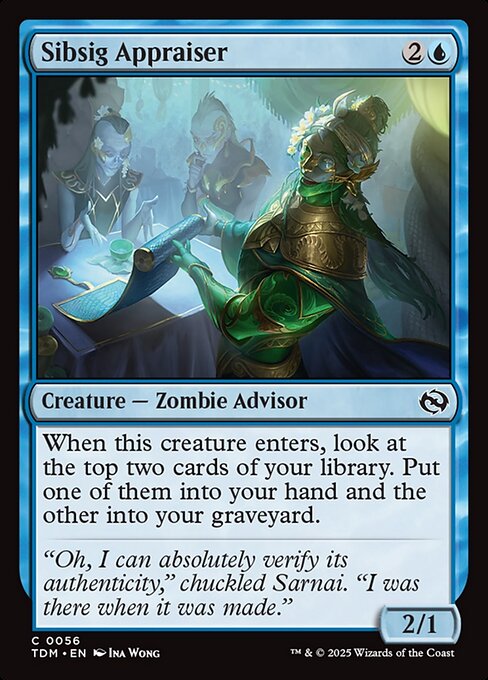


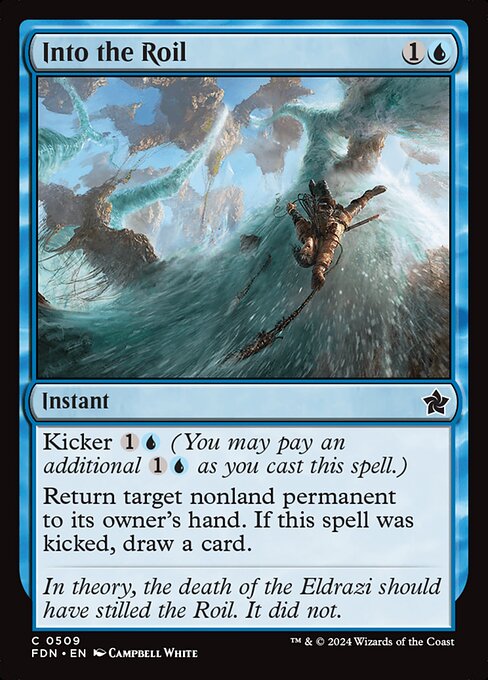
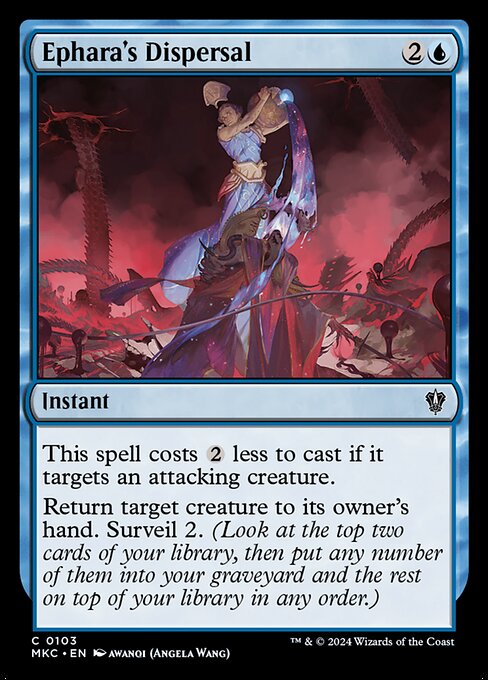
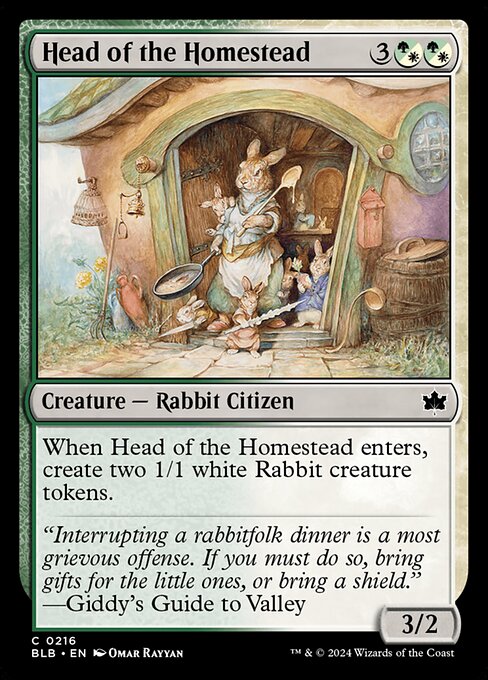
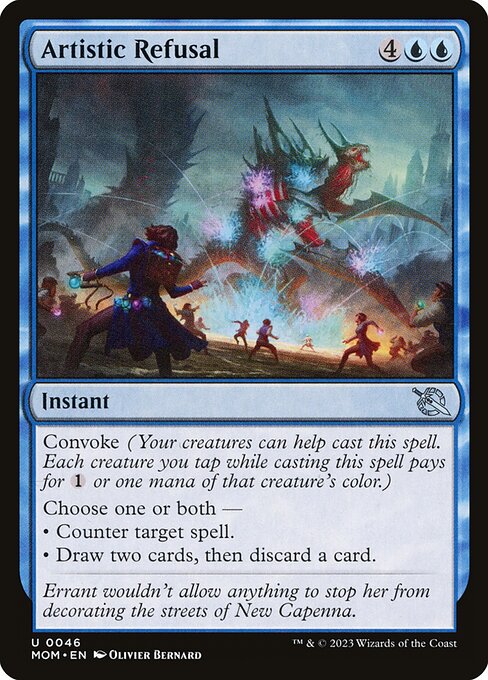
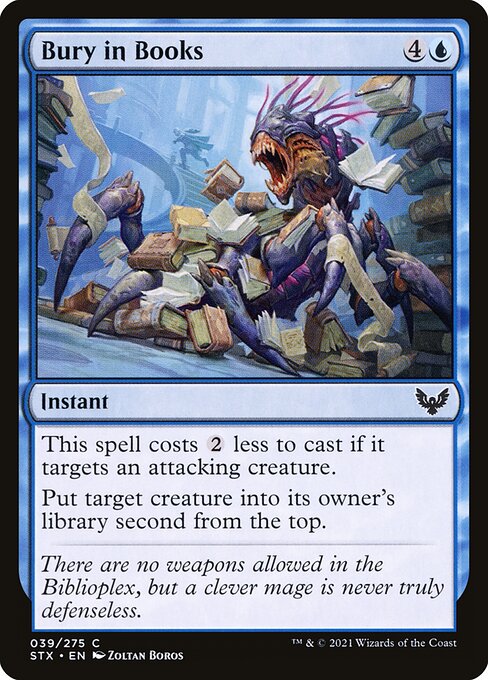

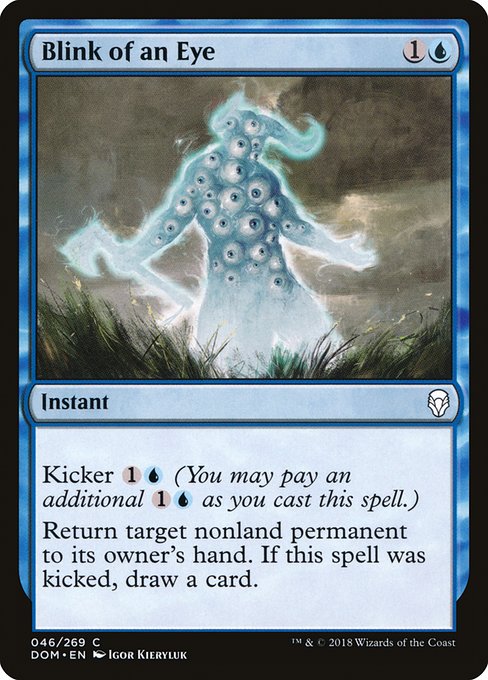
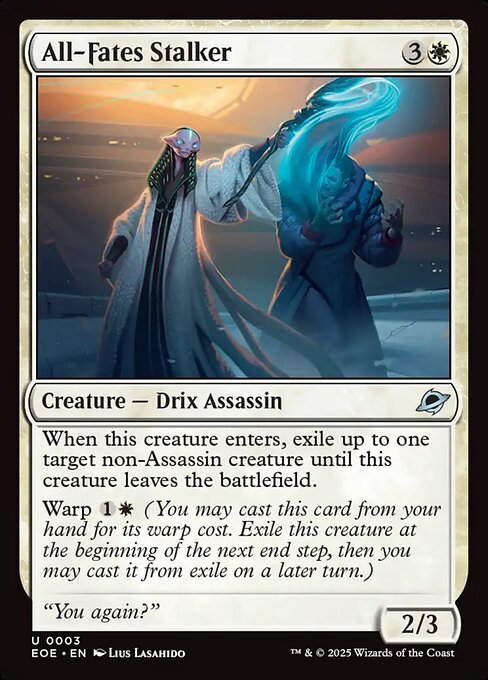
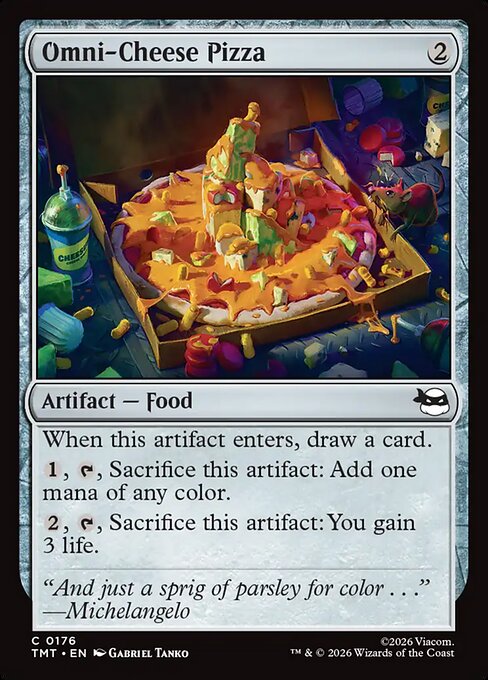
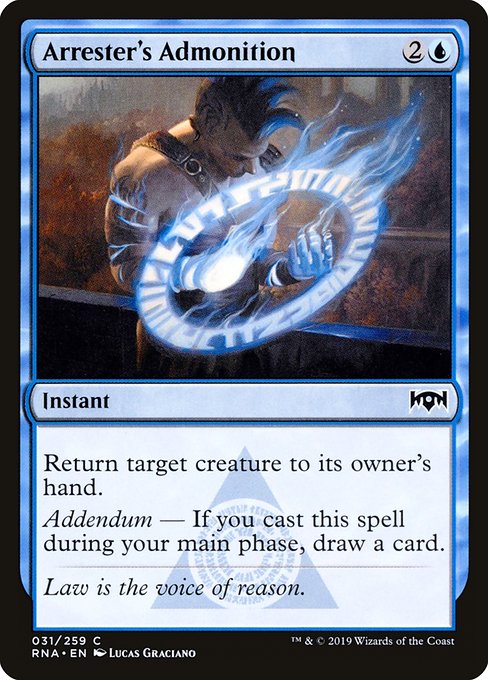
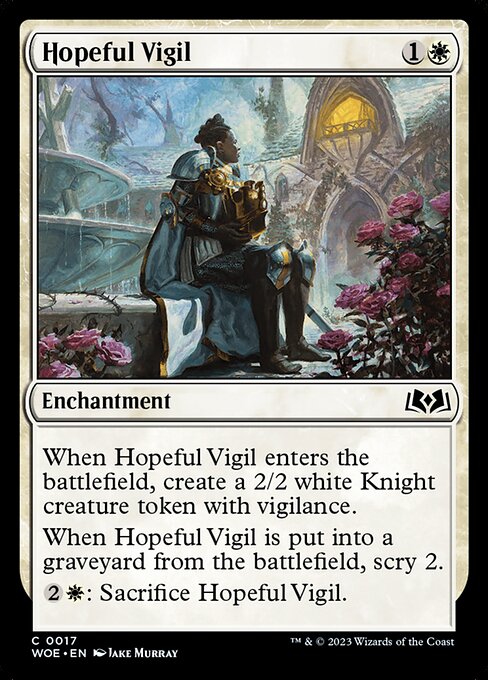
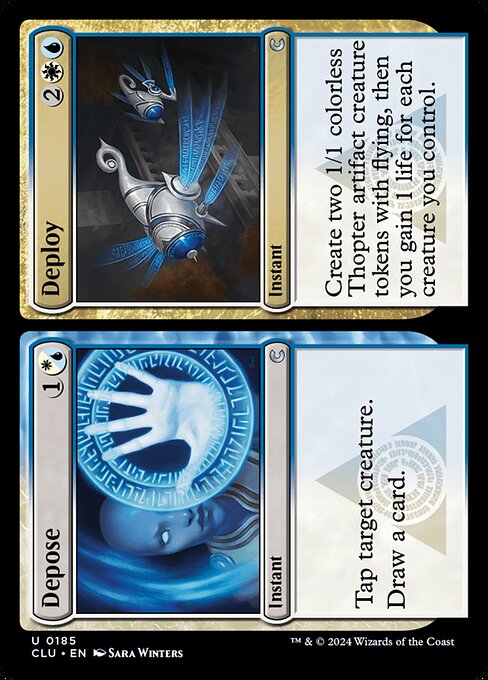
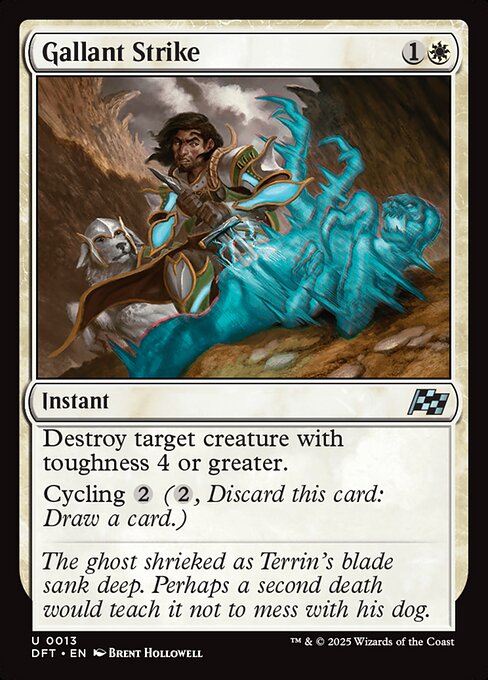

But ColdBrewNate had a cheat sky noodle: a Yorion companion. The record for a 40-card deck is 16 — a tie between Mark and tox 🍉: [draft — make it yours]
Draft 1 Mark: 16 of its 24 non-land cards did not co-occur elsewhere:

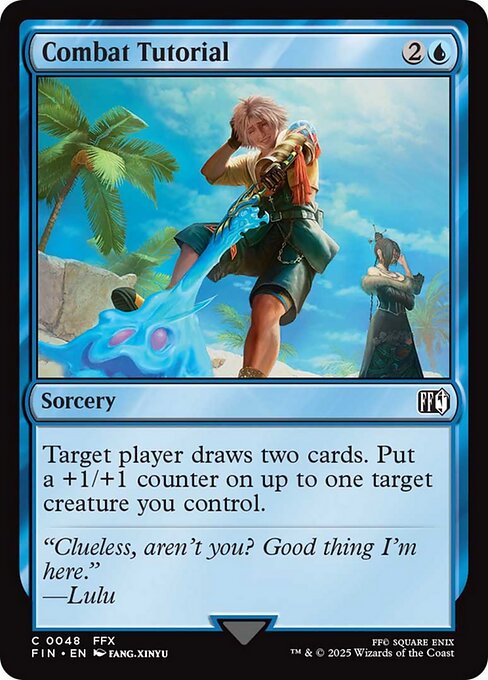
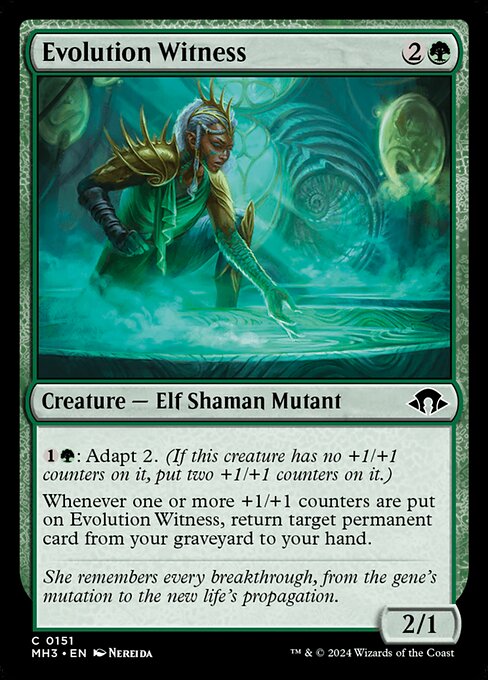
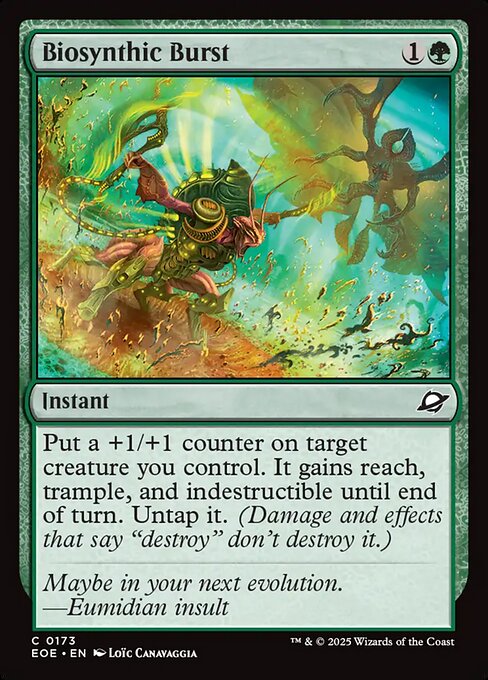
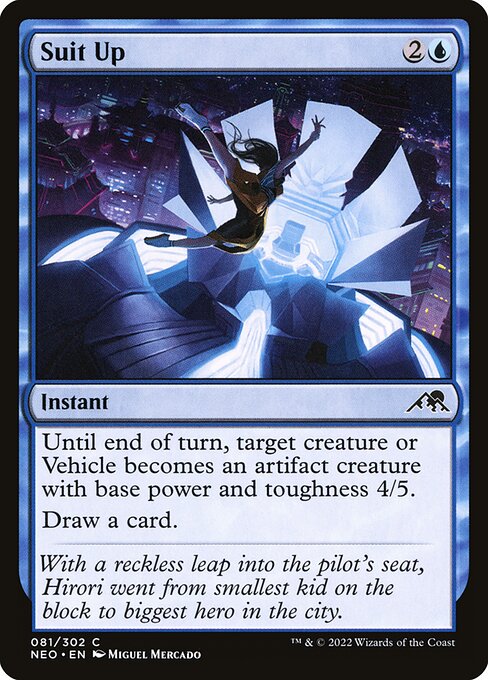
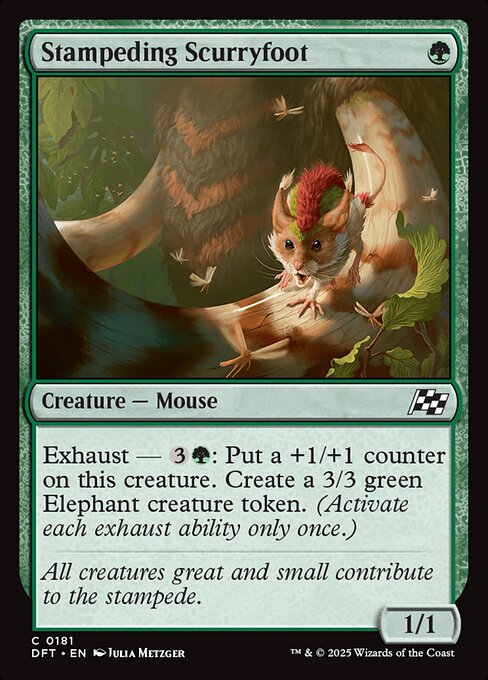
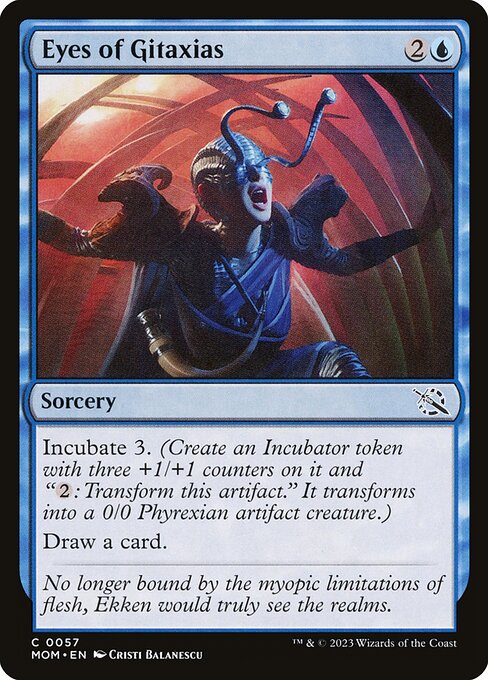
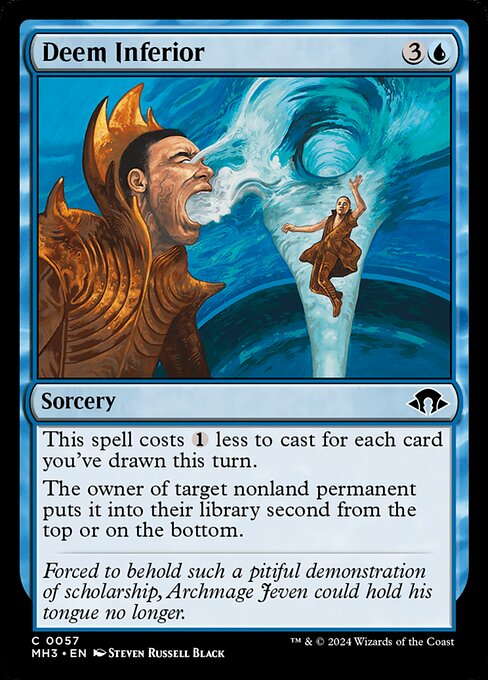


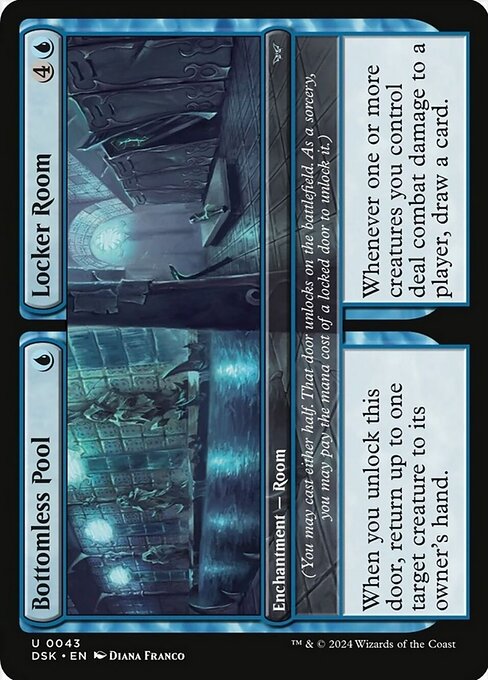

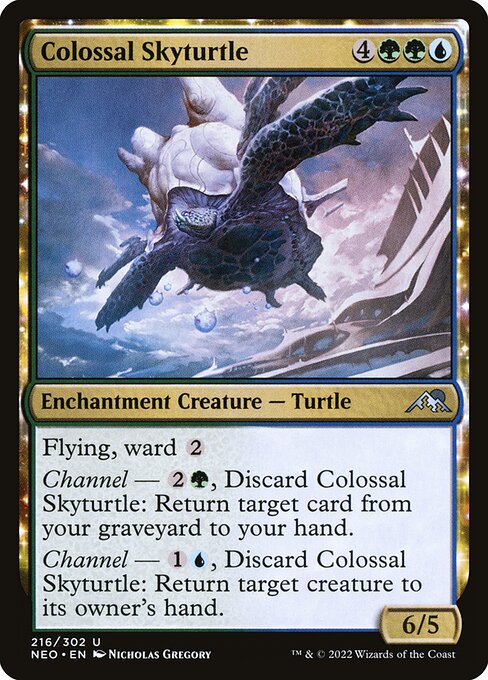
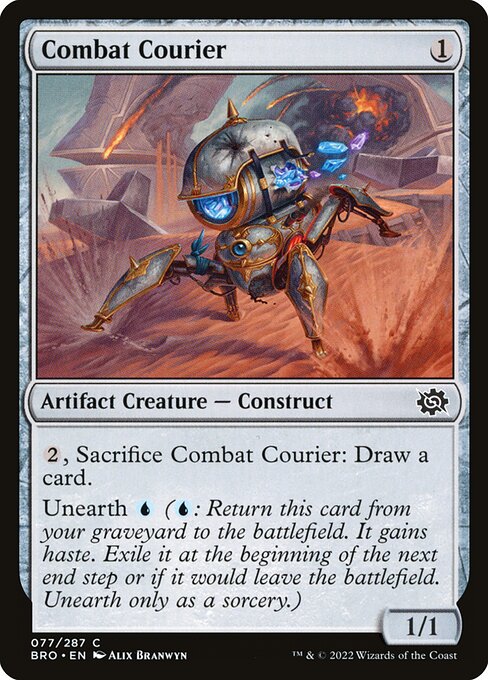
Draft 2 tox 🍉: likewise 16 of 24 — a completely different sixteen:
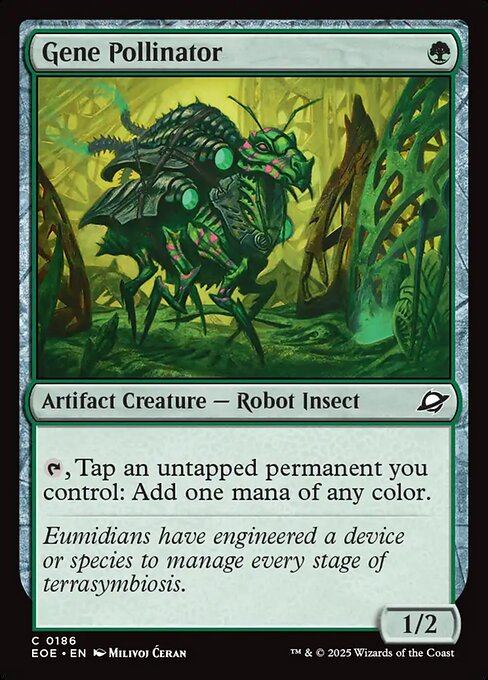
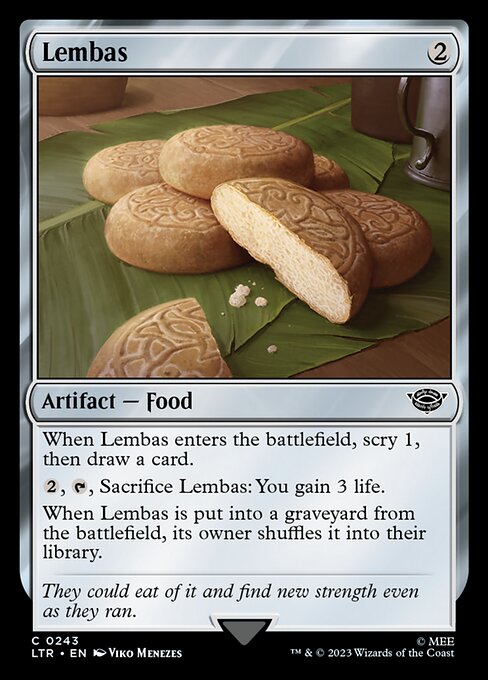
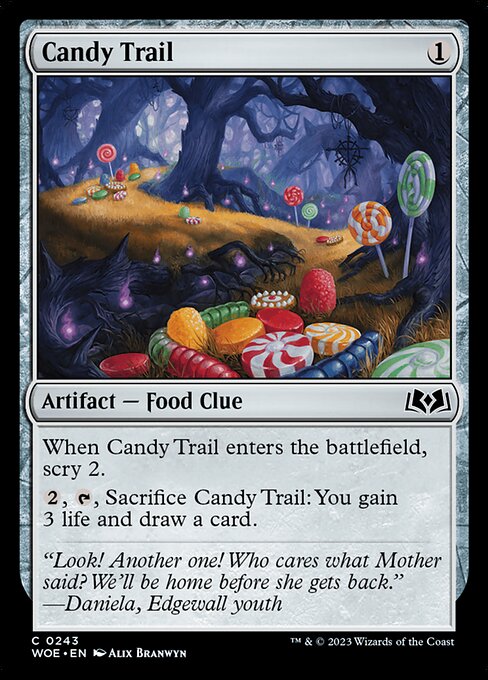
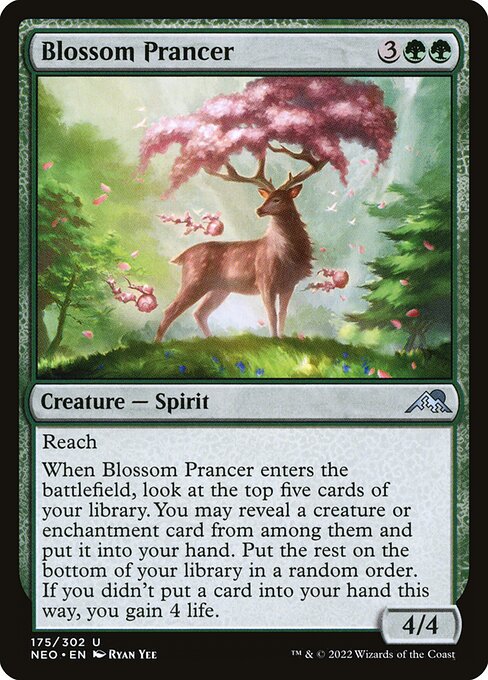
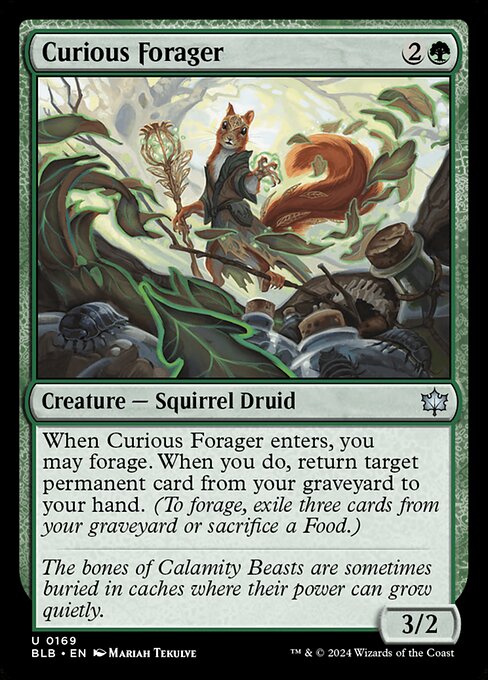
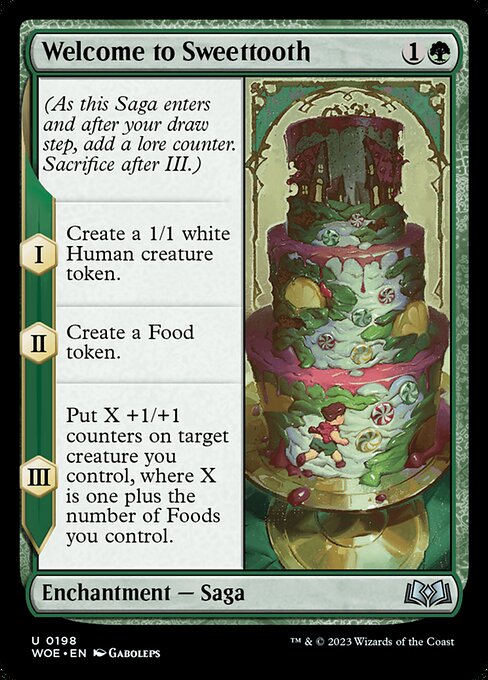
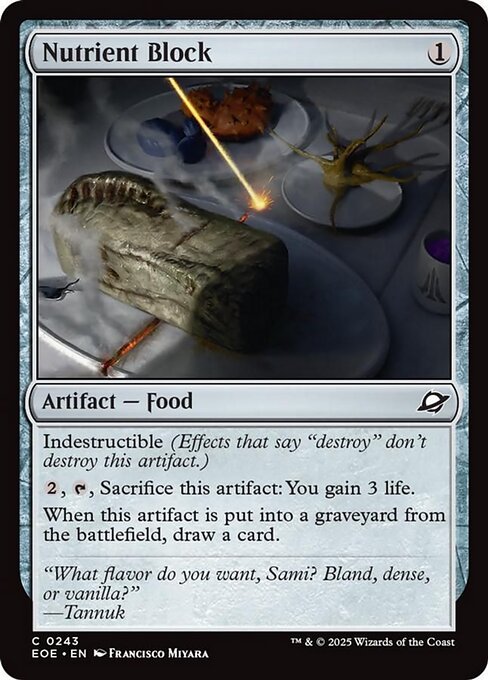
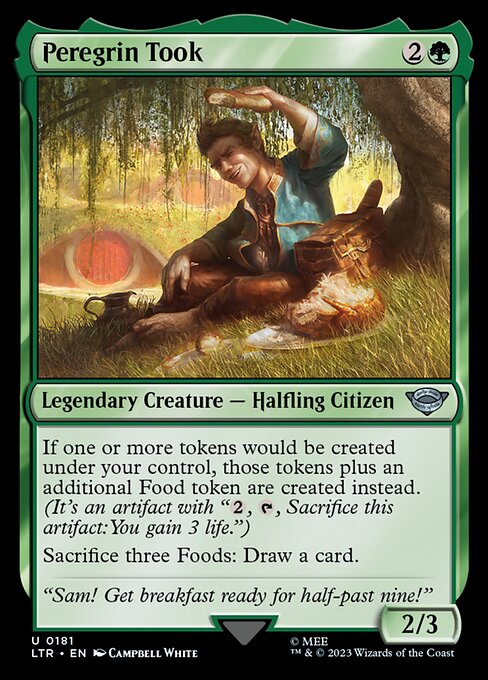
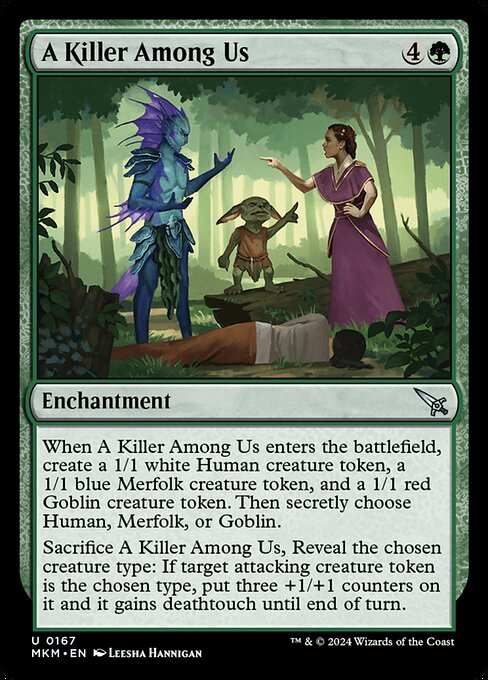
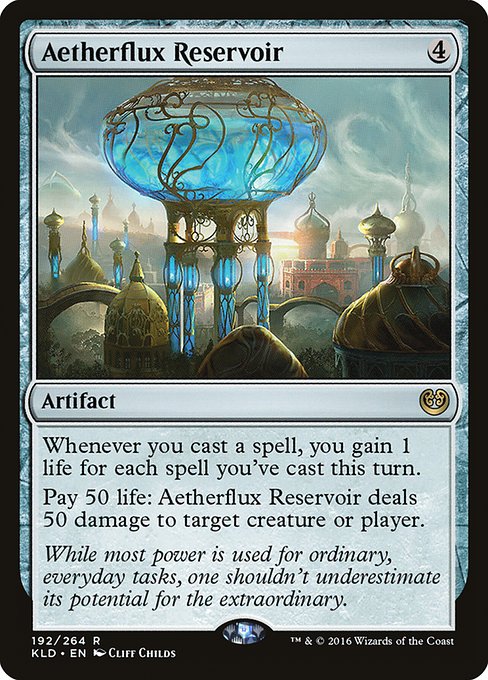
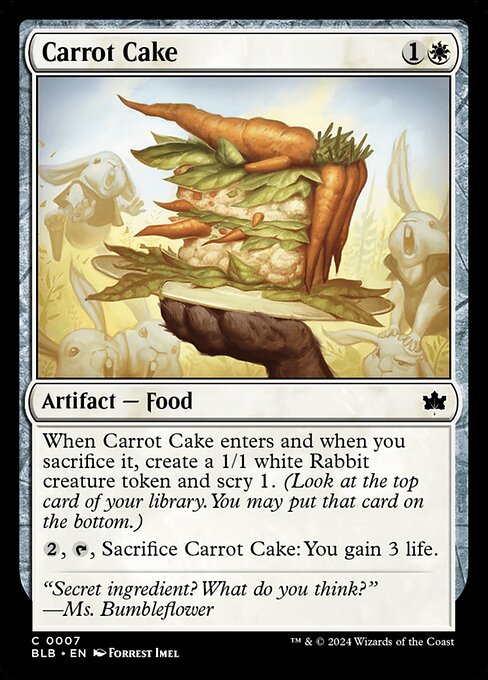
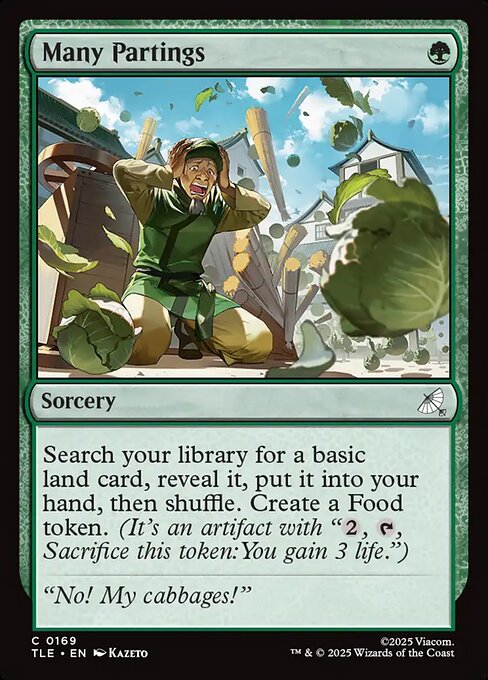
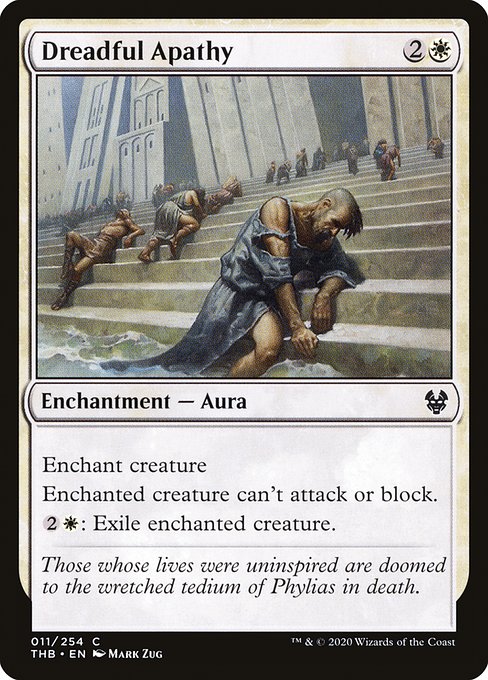
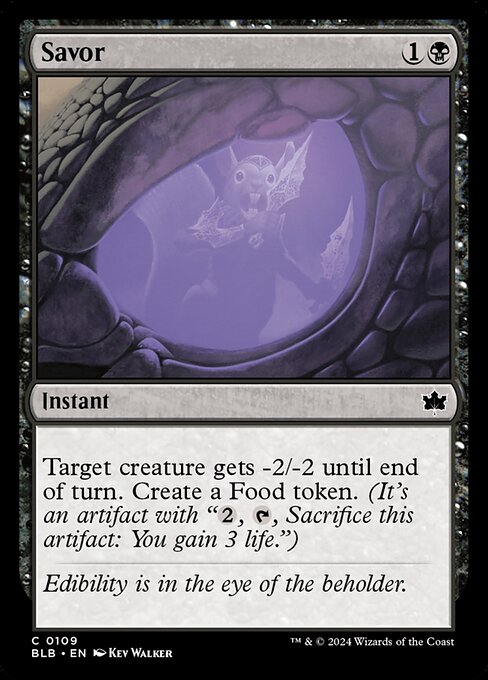
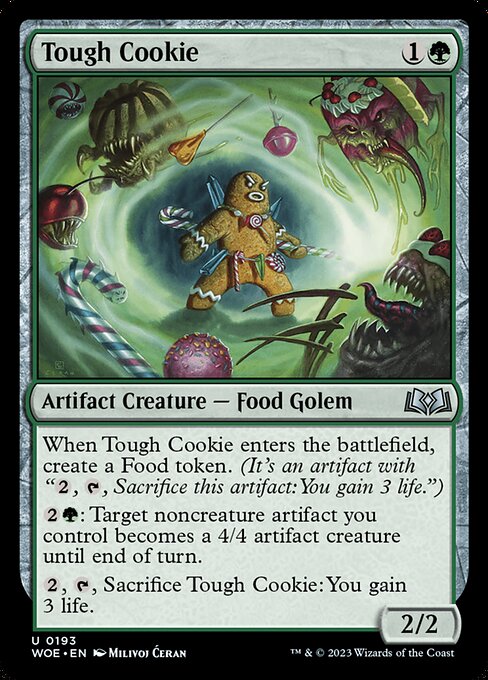
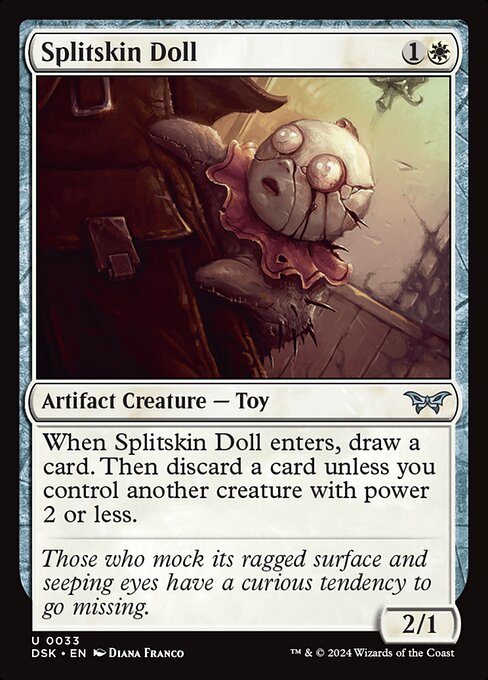
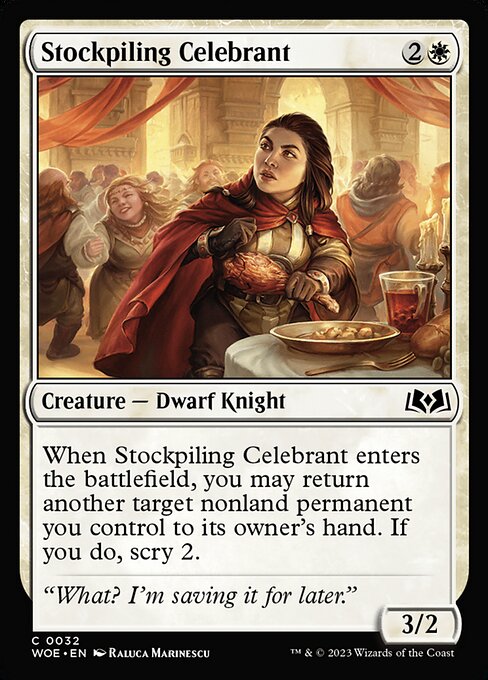
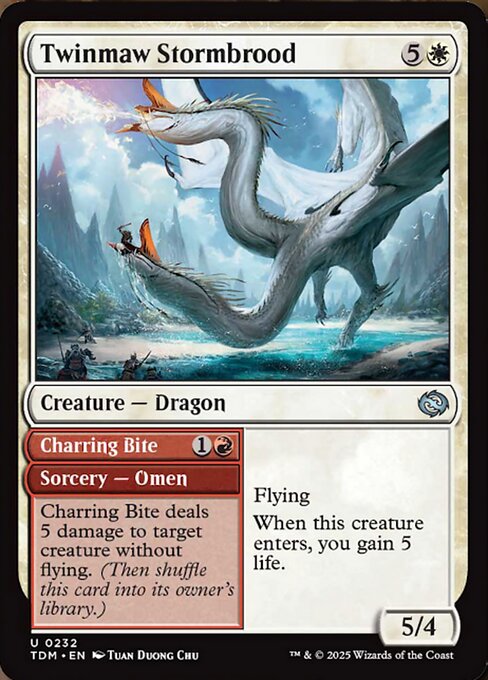
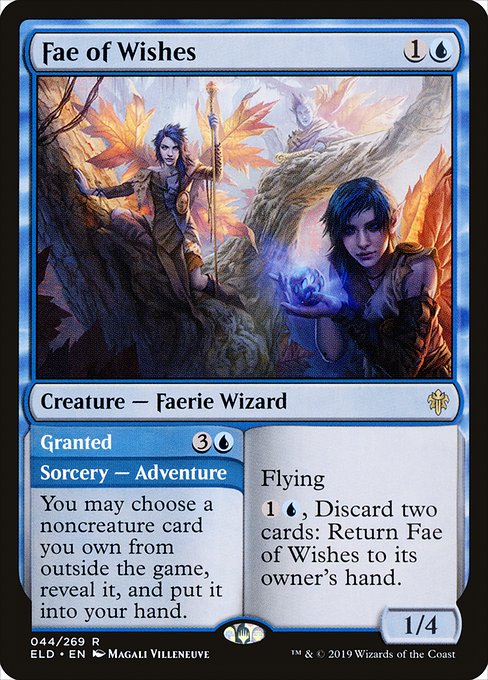
I want to leave you with a list of bangers. Not every card that was maindecked in all 3 pods joined a package.
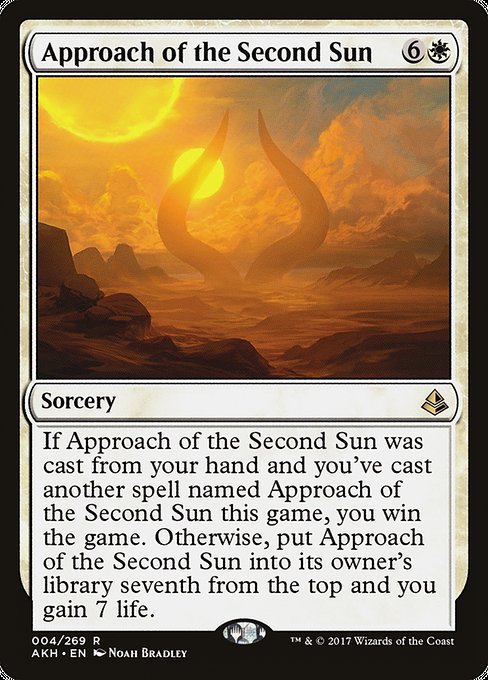
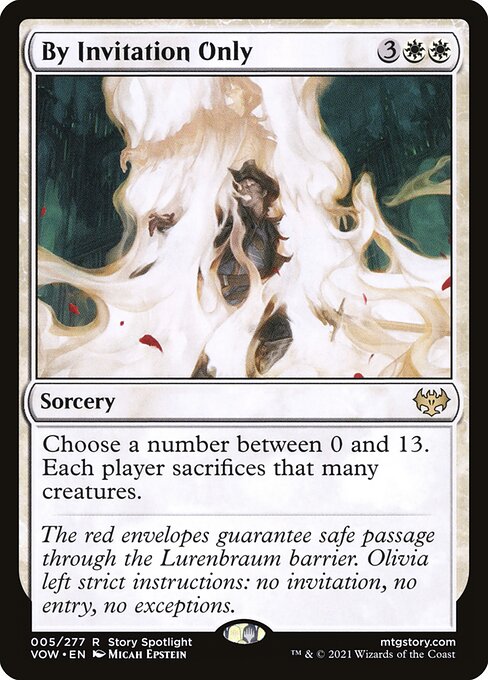
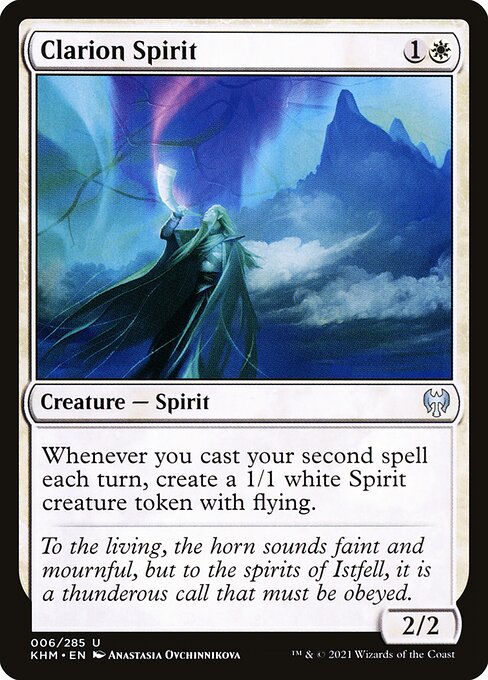
These are the generically good cards of the format: everyone wants them, and they can be used by multiple strategies even if they fit best into one lane. There are 48 of them, led by white. [draft — make it yours]


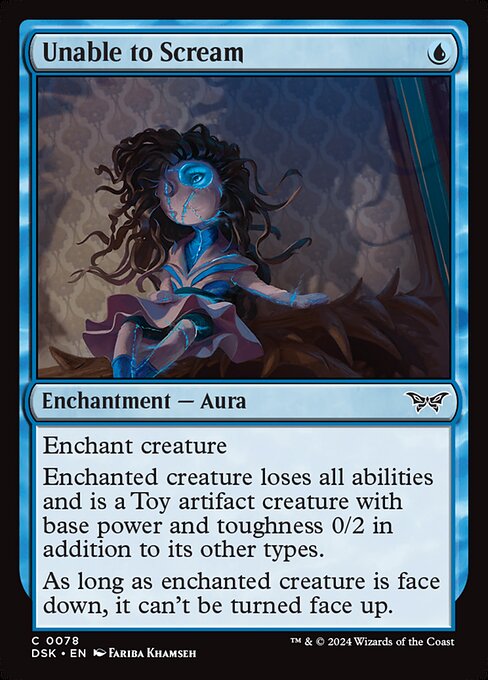
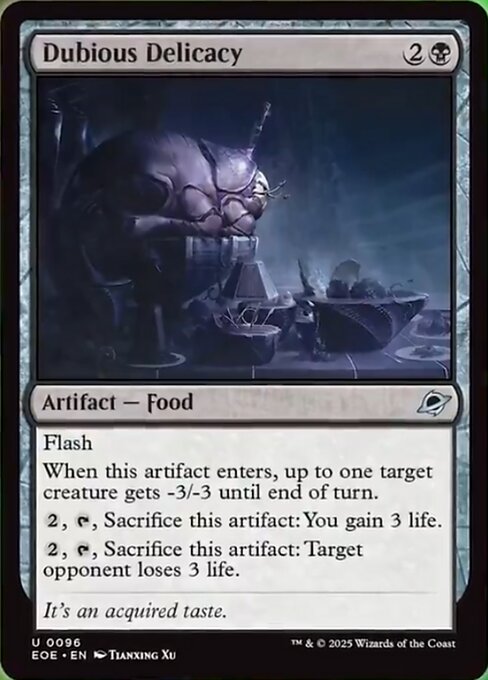
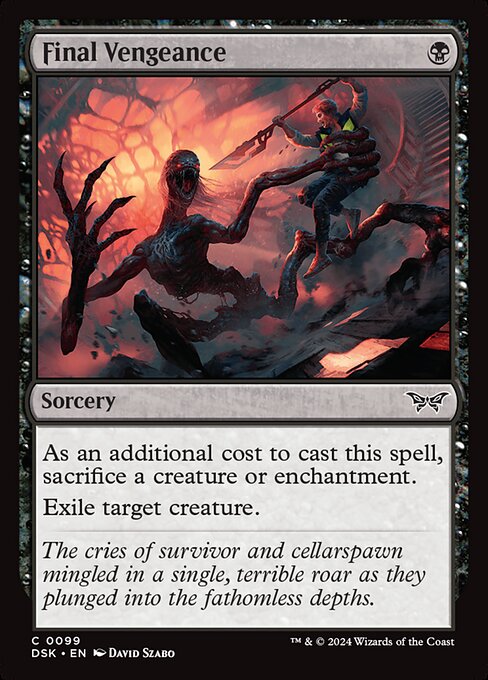
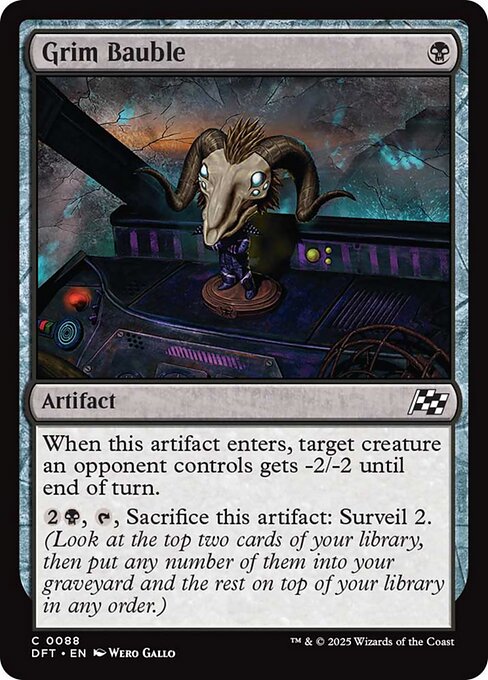

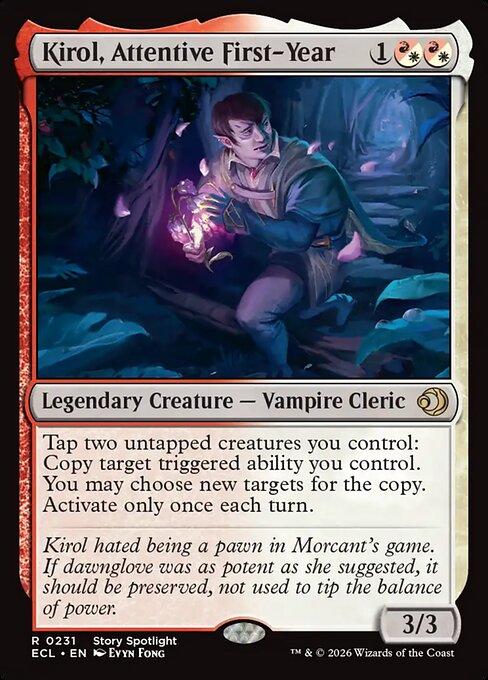
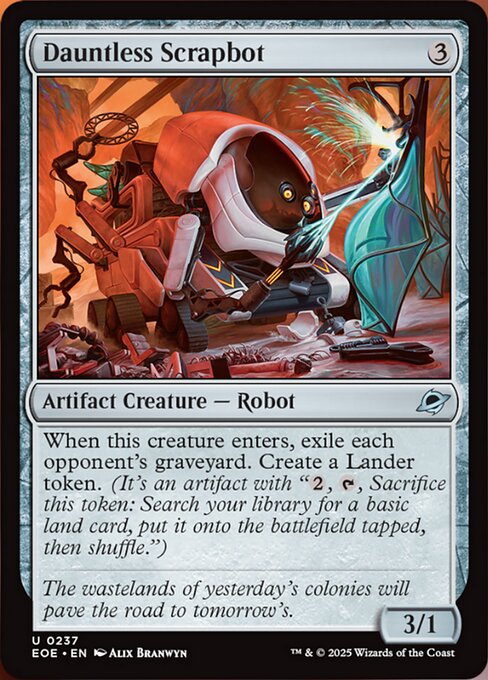
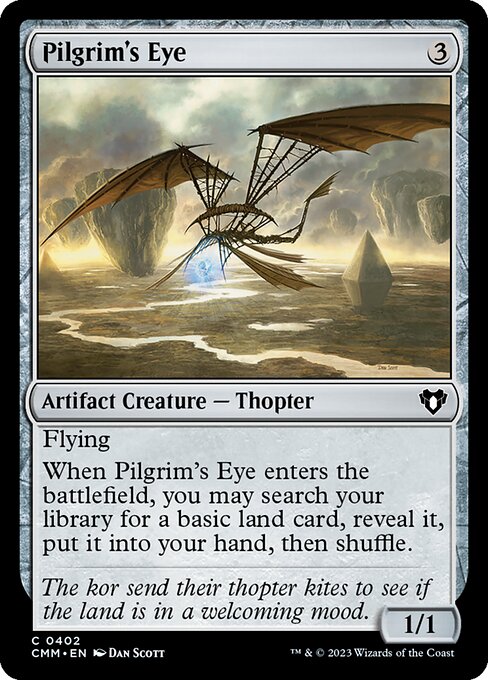
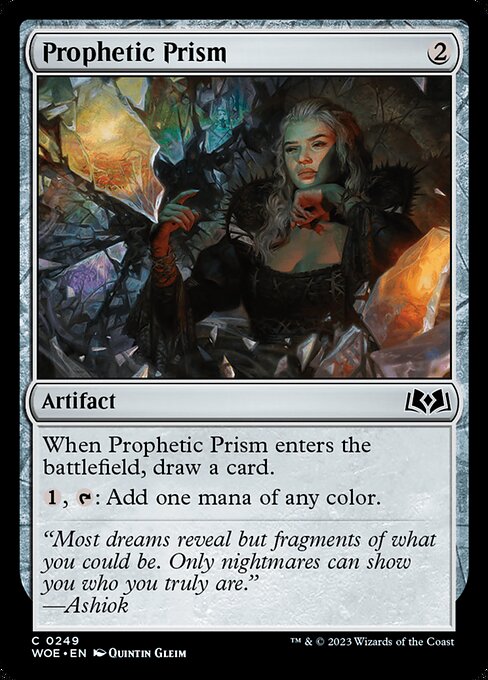
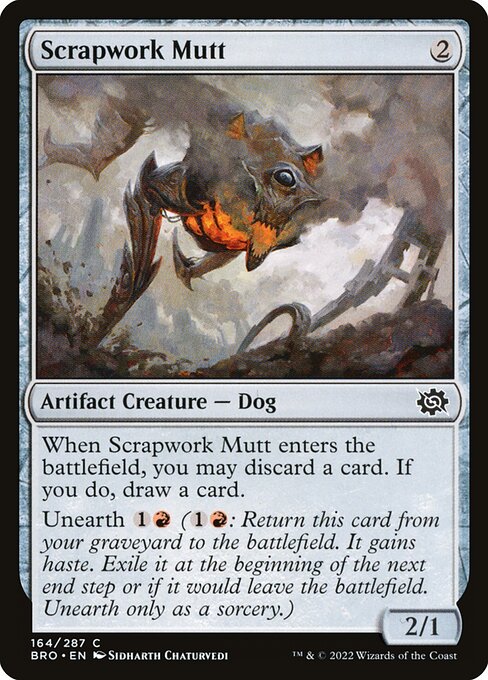
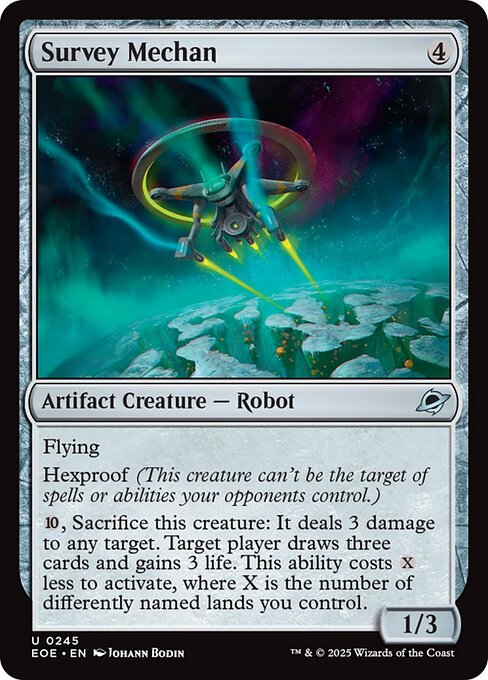
Everything in this post regenerates from this spreadsheet and a few hundred lines of Python in the repo.